Storm Damage Cleanup

Serving all of Iowa City · Open 24/7 · (319) 304-3500

Iowa City · Open 24/7

Call (319) 304-3500Request Service

The impact of severe weather is felt acutely in Iowa City and surrounding areas due to our unique climate and housing stock. In neighborhoods like Coralville, frequent spring floods and summer thunderstorms often test the resilience of homes, especially those with full basements and older plumbing common near the University of Iowa campus. When storms strike, whether it's the powerful winds of a derecho or rising river waters, the damage can be swift and severe. When you call United Water Restoration Group of Iowa City at (319) 304-3500, you're accessing a team ready to address these challenges with expertise in water extraction and structural drying. Our professionals are prepared to respond to emergencies with the latest techniques in moisture control and dehumidification, ensuring your property is restored swiftly and efficiently.

  • 24/7 emergency response team on call
  • Expert in moisture and structural drying techniques
  • Detailed insurance claim assistance
  • Advanced equipment for effective water extraction
  • Trained in IICRC standards and methods
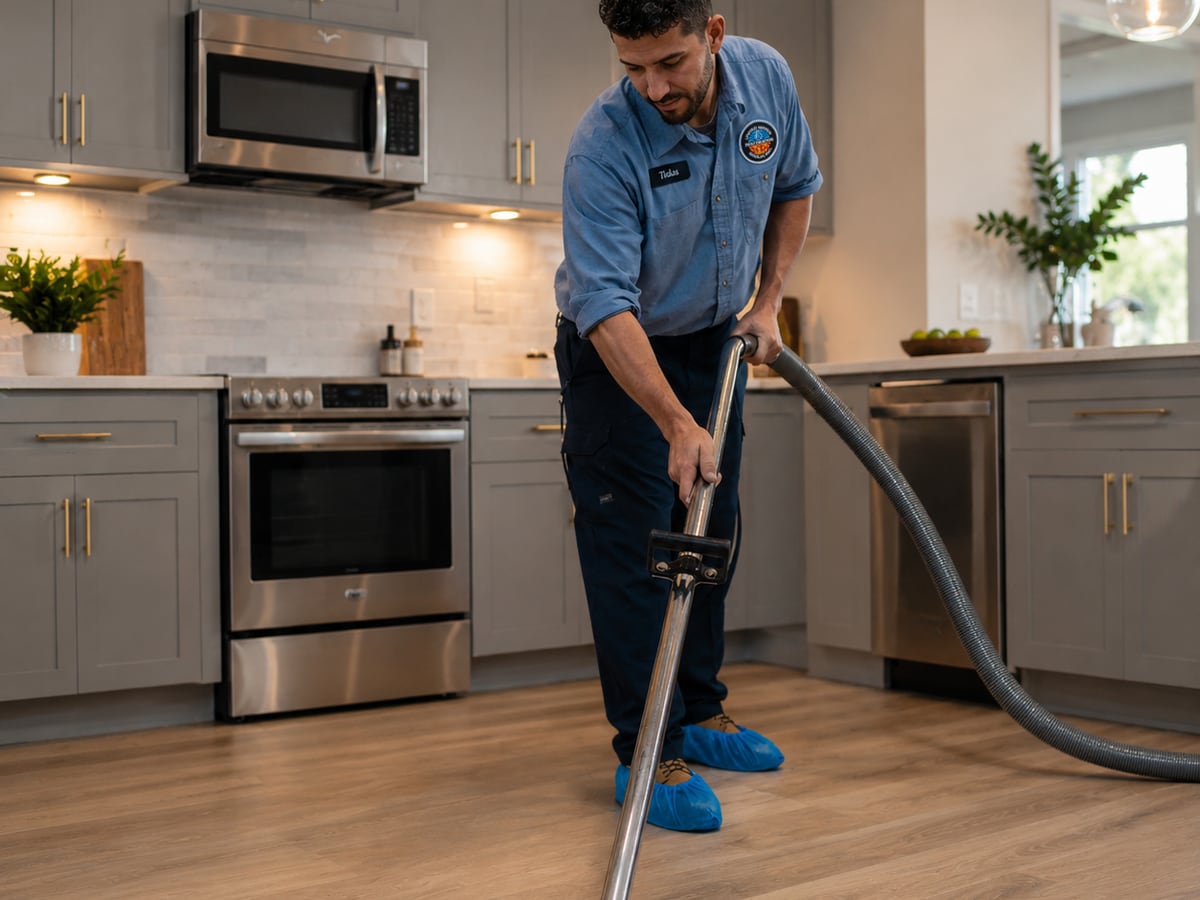
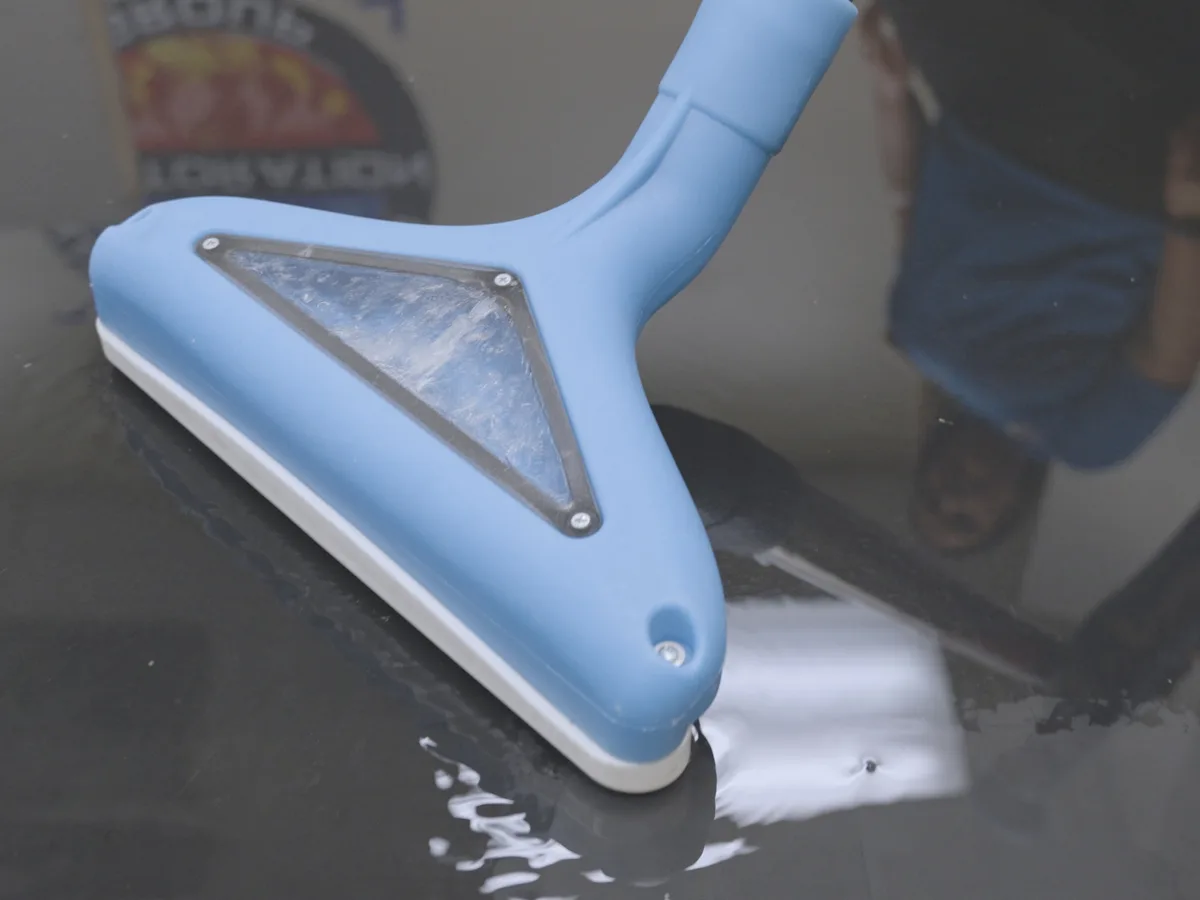
A carpet extraction wand pulling water out of a soaked floor

Storm Damage Realities in Iowa City

Storm damage in Iowa City is a pressing concern due to the area's exposure to severe weather events like derechos and river flooding. With geographic conditions that include frequent thunderstorms and river overflow from the Iowa River, our homes face unique challenges. Specifically, homes in areas like Coralville and Cedar Rapids are prone to these events, often leading to basement flooding and structural damage. Having a finished basement is a staple feature of many homes here, which means water damage isn't just an inconvenience—it can be catastrophic.

It’s crucial for residents to be familiar with the weather patterns that may lead to flooding. During winter, prolonged freezes cause pipes to burst, especially in unheated crawl spaces and exterior walls. Meanwhile, summer storms bring high winds and heavy rains that can breach rooflines and damage siding. Understanding these threats is the first step in effectively managing and mitigating storm-related damage.

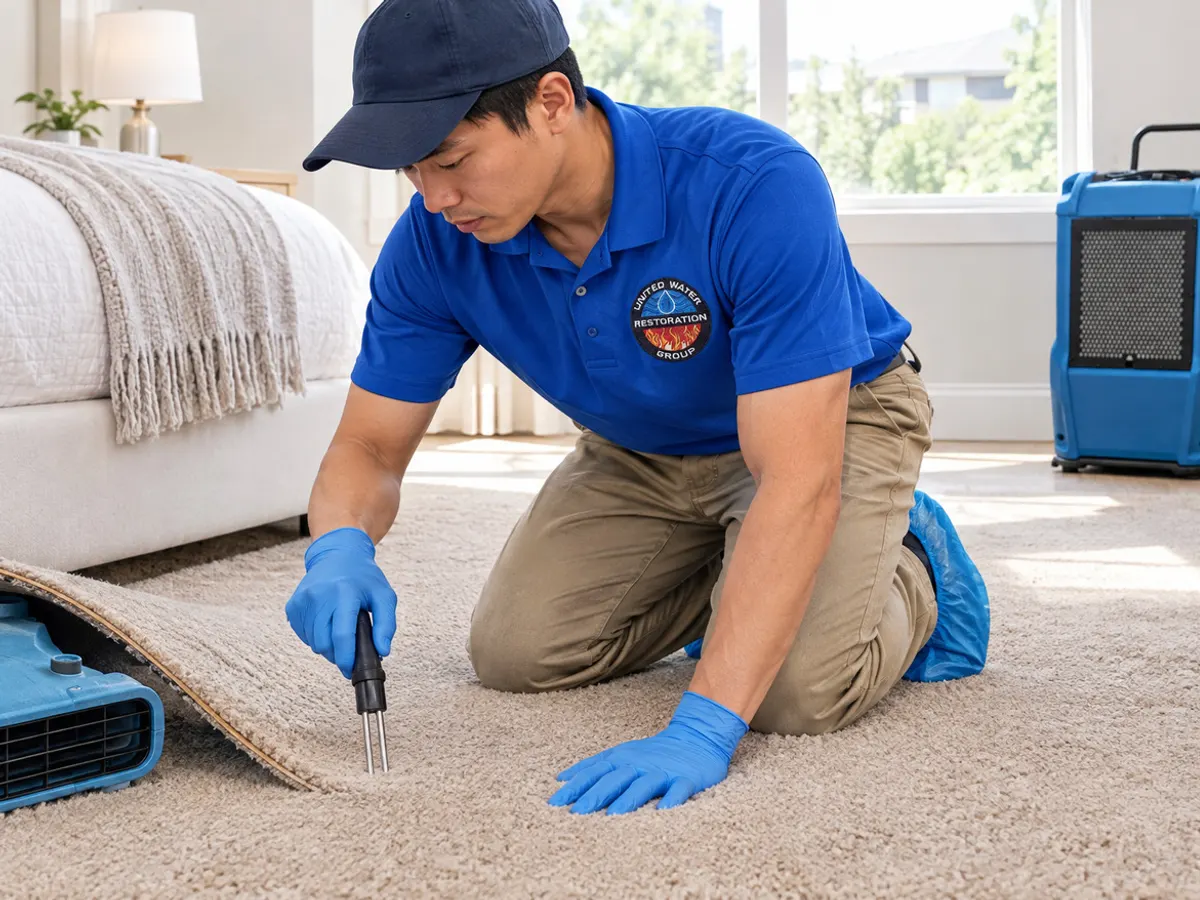
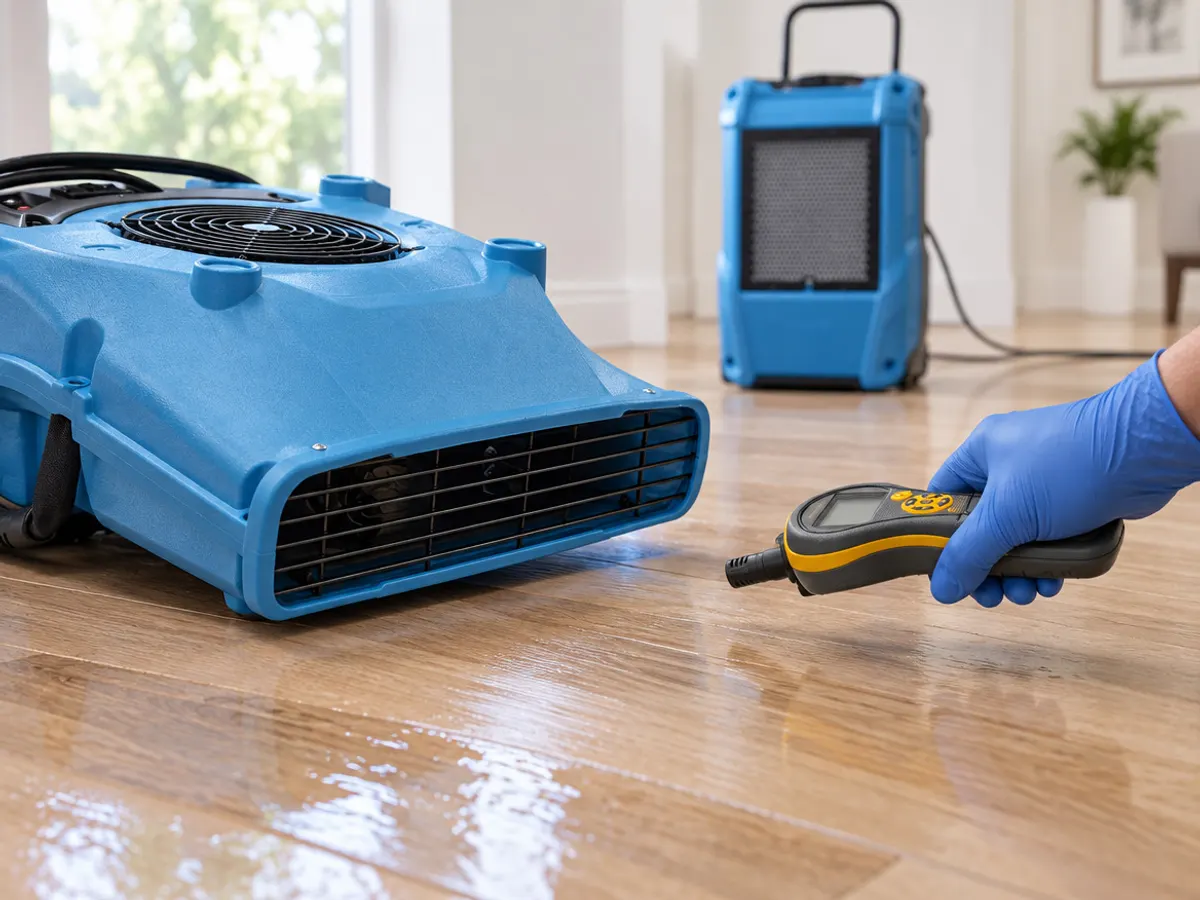
A technician probing wet carpet for moisture, drying equipment running

Our Cleanup Process and Techniques

United Water Restoration Group of Iowa City employs industry-leading techniques and equipment to ensure effective storm damage cleanup. From Category 1 clean water to Category 3 black water situations, our experts use state-of-the-art technology, like moisture meters, to assess the extent of water intrusion. Thermal imaging inspections help pinpoint hidden moisture, avoiding secondary damage such as mold growth, which is prevalent in Iowa’s humid climate.

We employ a combination of air movers and low-grain refrigerant dehumidifiers to expedite the drying process, preventing further damage to structural components like walls and subfloors. By maintaining daily drying logs and conducting regular moisture meter readings, our team ensures that your home’s environment is returned to its pre-loss condition, aligning perfectly with IICRC S500 standards. This systematic approach minimizes disruption and ensures that your home and valuables are safe and secure.

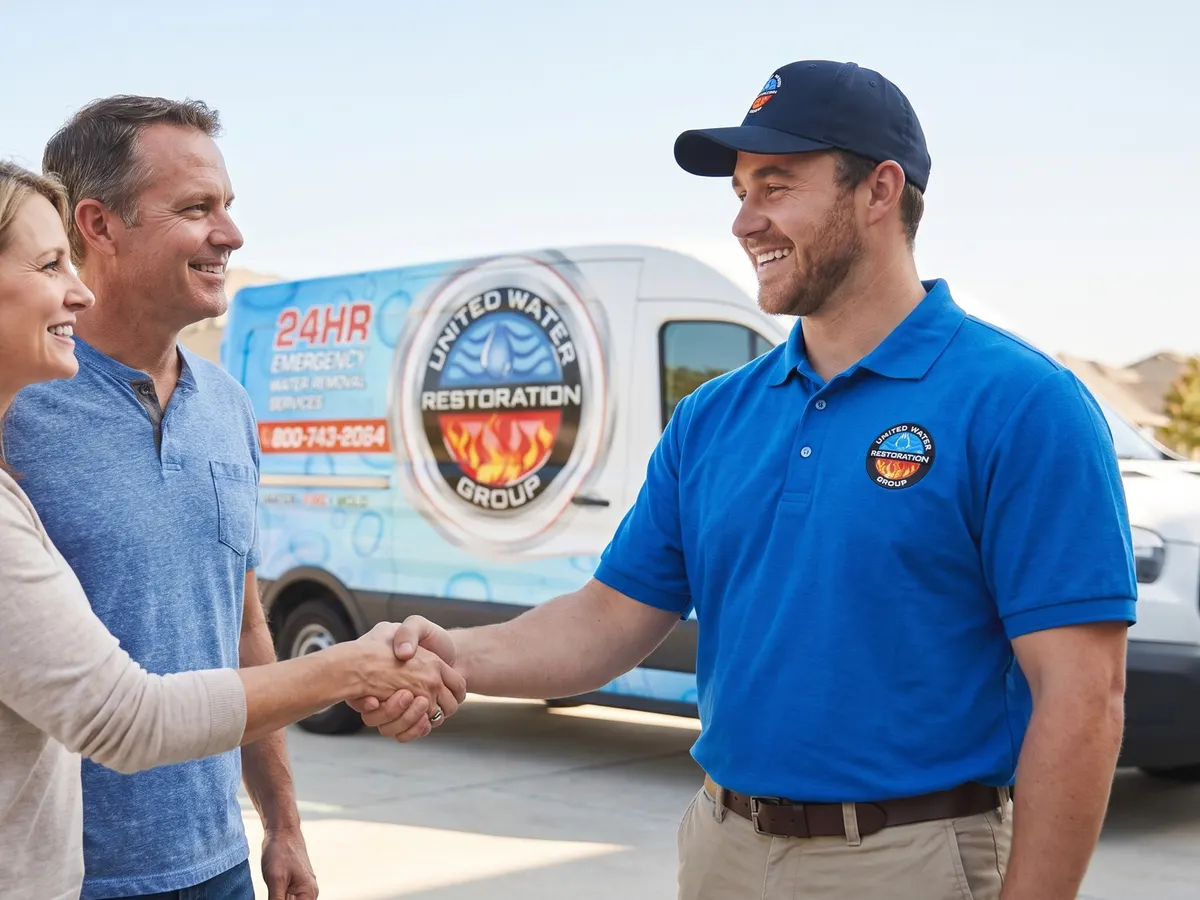
A UWRG technician shaking hands with homeowners beside the service van

Handling Insurance and Claims

Dealing with insurance claims after storm damage can be a daunting process. At United Water Restoration Group of Iowa City, we offer assistance at every step to simplify and expedite this task. We provide detailed documentation of damages and the work conducted, facilitating smoother interactions with your insurance adjuster. With our experience in the field, we adopt industry-standard estimating processes to define the scope of work required for your home’s recovery.

Having clear communication with your insurer is critical to securing a fair and timely settlement. Our team insures all moisture and damage findings are backed by precise moisture mapping, which serves as reliable proof of loss. Moreover, we collaborate directly with adjusters throughout the remediation process to ensure that all repair needs are addressed promptly and thoroughly. This approach relieves you of additional stress and helps restore your property more quickly.

Common Causes We See in Iowa City

  • Heavy rainstorms; they overfill gutters and flood basements
  • Spring thaw; causes groundwater to enter basements
  • Derecho winds; capable of tearing roofs and uprooting trees
  • River flooding; Iowa River frequently spills over
  • Frozen pipes; burst due to winter's below-zero temps
  • Failed sump pumps; leave basements vulnerable during storms
  • Hailstorms; lead to broken windows and damaged siding
  • Lightning strikes; can cause structural and electrical fires

While You Wait for the Crew

A few minutes of the right first moves can save thousands in damage. Here is what to do — and what not to do — before we arrive.

Do

  • Remove valuables from affected areas to avoid water exposure
  • Place towels at door thresholds to limit water spread
  • Check circuit breakers and turn off electricity in flooded areas
  • Contact United Water Restoration Group of Iowa City immediately at (319) 304-3500

Don’t

  • Do not enter flooded areas with standing water due to electrical hazards
  • Avoid using electrical appliances on wet surfaces
  • Do not attempt to dry substantial water damage with household fans

Crews are standing by in Iowa City right now.

Call (319) 304-3500

How It Works

Here Is What Happens When You Call

The hardest part of property damage is facing it on your own. You do not have to — from the first phone call, it is our job, not yours.

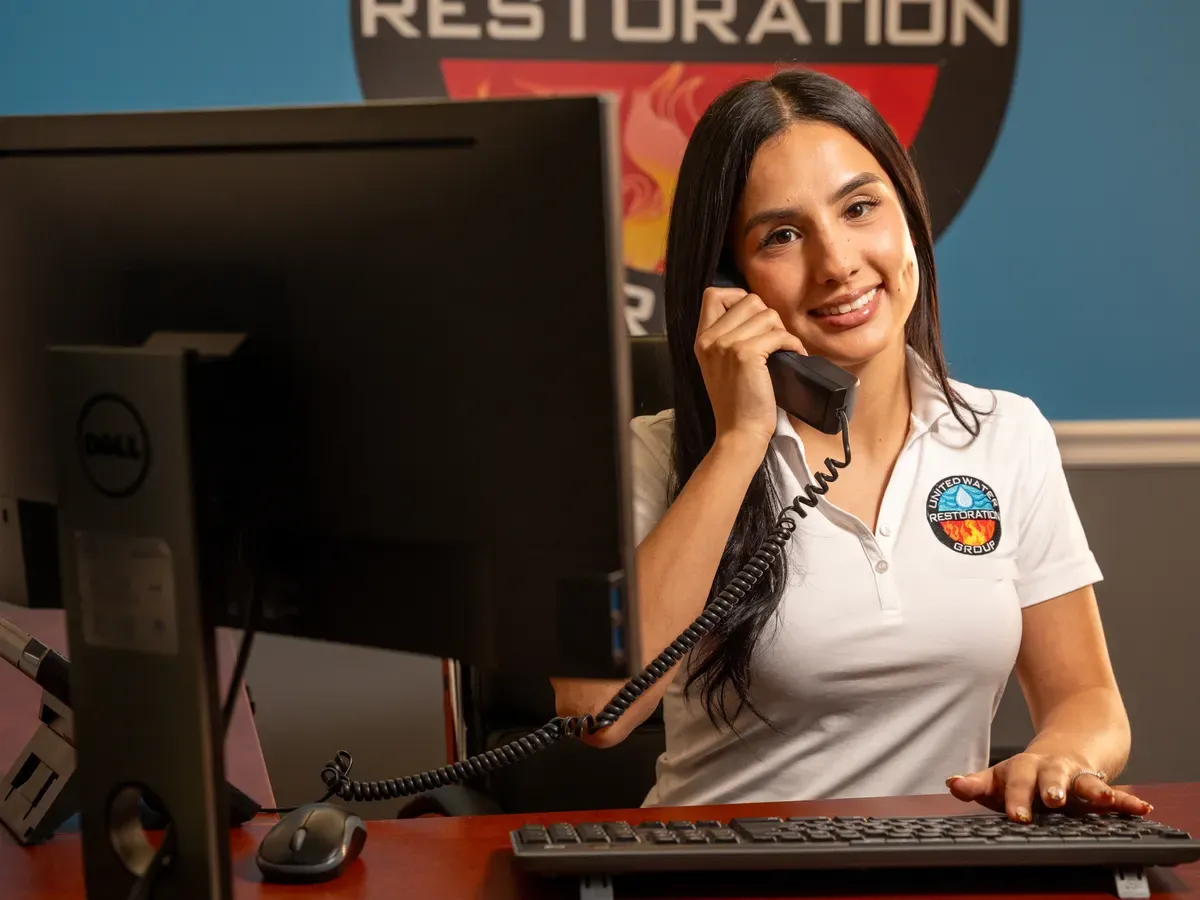
  1. A UWRG dispatcher answering an emergency call at her desk

    Step 01

    You call, a real person here answers

    Any hour, any day, your call is picked up by a real person on our Iowa City team — not a machine and not a national call center. We are locally owned and operated, so the people you talk to are the same people who show up at your door. From that moment, it stops being your problem to solve on your own.

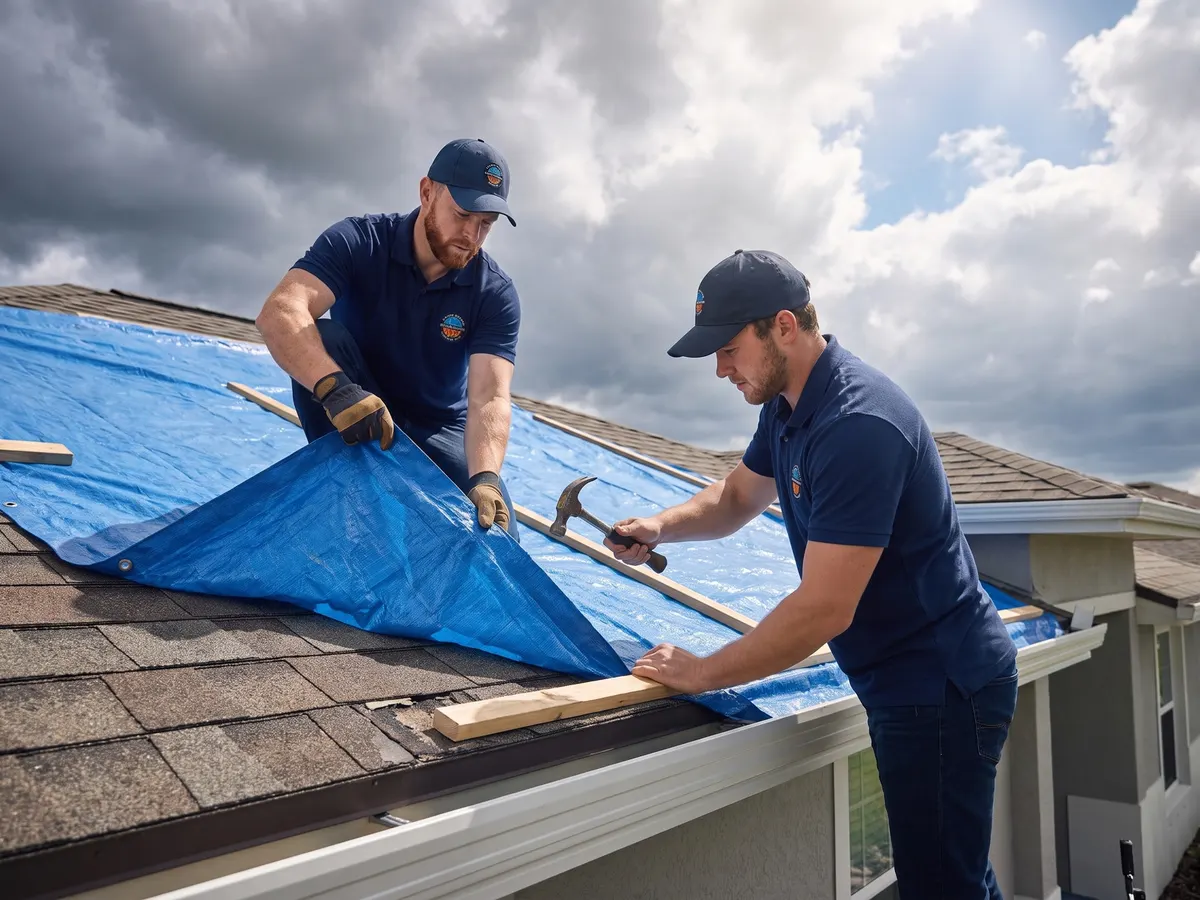
  2. Two technicians tarping a storm-damaged roof

    Step 02

    Initial Assessment

    Upon arrival, our technicians conduct a thorough assessment using moisture meters and thermal imaging. This determines the extent of water intrusion and identifies hidden moisture pockets to prevent secondary damage.

  3. A technician drawing water out of a kitchen floor with an extraction wand

    Step 03

    Emergency Mitigation

    We quickly establish containment barriers to limit water spread and start removing standing water using high-capacity pumps and vacuums. This step is crucial to minimize further damage.

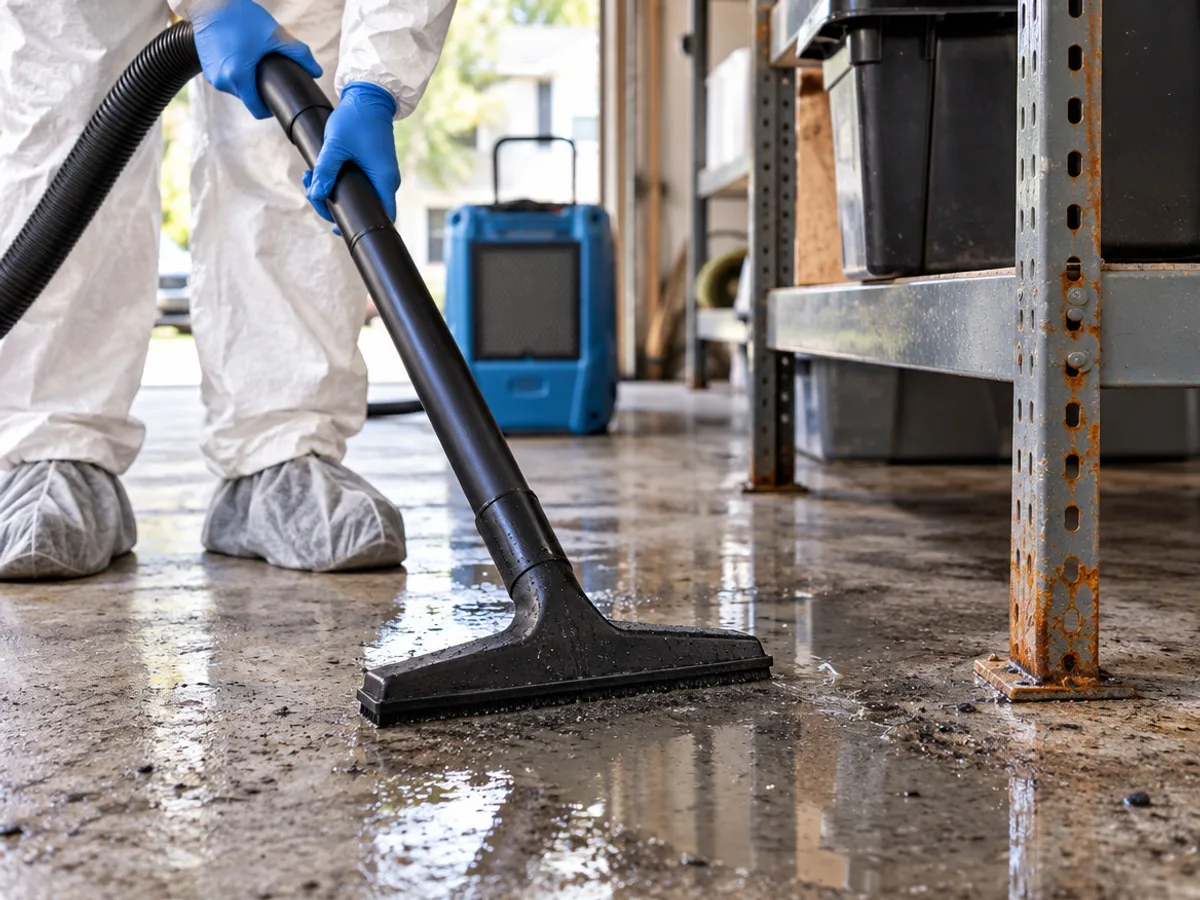
  4. A technician in protective gear vacuuming standing water off a flooded floor

    Step 04

    Water Extraction and Drying

    Our team employs air movers and dehumidifiers to remove moisture. With the use of low-grain refrigerant dehumidifiers, we ensure an efficient drying process and avoid mold proliferation.

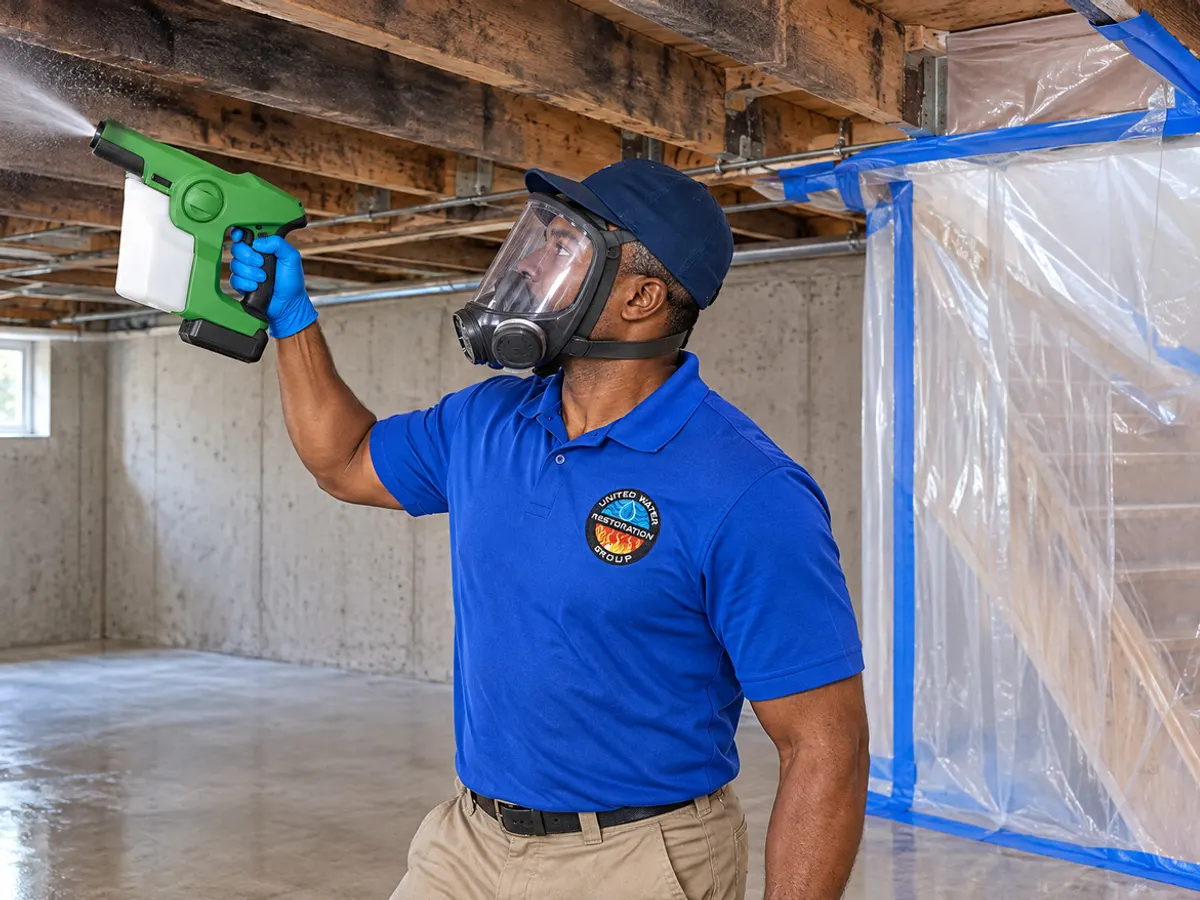
  5. A technician spraying antimicrobial treatment across exposed framing

    Step 05

    Sanitization and Treatment

    Post-drying, we apply antimicrobial treatments to affected areas, preventing mold growth and ensuring the safety of your indoor environment. Negative air machines are also used to control odors.

  6. A technician checking an air mover and dehumidifier with a moisture meter

    Step 06

    Restoration and Monitoring

    Finally, we restore affected areas to pre-storm conditions. This includes moisture meter readings and daily drying logs to confirm the effectiveness of the drying process.

We Work With Your Insurance

Restoration is stressful enough without fighting through a claim alone. Our crews document everything — photos, moisture readings, and a clear scope of work — in the format adjusters expect, and we communicate with your insurance company throughout the job. You always know what is happening and what your policy covers before work begins.

AllstateState FarmLiberty MutualProgressiveNationwideFarmers InsuranceAmerican Family InsuranceChubbUniversal Property & CasualtyHeritage Insurance
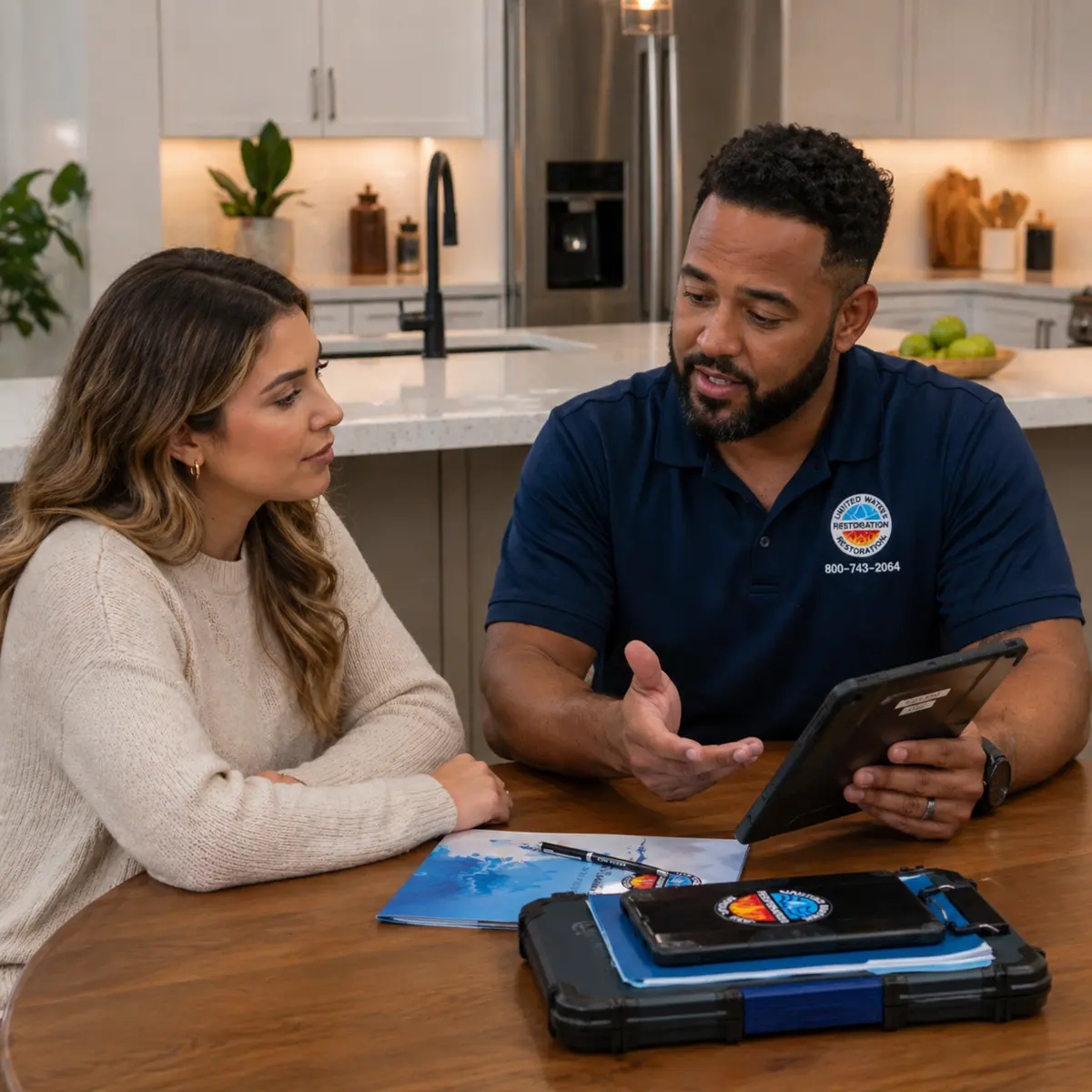
Technician walking a homeowner through the insurance scope on a tablet

What This Service Covers

Water extractionStructural dryingMold prevention and removalDehumidificationThermal imaging for moisture detectionCrawl space encapsulationAntimicrobial and sanitization servicesContainment barrier setupAir quality controlBasement and crawl space cleanup

Storms can strike unexpectedly in Iowa City, making timely intervention critical. Protect your home and ensure swift recovery by contacting United Water Restoration Group of Iowa City at (319) 304-3500. Our team stands ready to deliver expert storm damage cleanup with a commitment to restoration excellence, ensuring your home is safe from future risks.

Frequently Asked Questions

How do you tell if water got behind the walls, under the floor or behind the cabinets?

Visible staining is usually smaller than the wet area. Technicians map it with a moisture meter and thermal imaging, then compare readings against a dry standard elsewhere in the same building — the restoration standard, ANSI/IICRC S500, works from that comparison rather than from how a surface looks or feels. Water trapped behind cabinets and under flooring shows up in the readings before it shows on the wall.

How many days does drying take, and how long is the whole job?

Three to five days is typical once air movers and dehumidifiers are running, though every loss is different and yours may need more time or less. The equipment stays until daily moisture readings match a dry standard in the same building, which is how ANSI/IICRC S500 defines dry rather than by a fixed count of days. Any rebuilding — flooring, drywall, paint — is a separate stretch of time after that and depends on what came out.

Do you pump out and extract standing water after a flood?

Standing water removal is the first thing crews do — submersible pumps for depth, then truck-mounted and portable extraction to pull what the pumps cannot reach, followed by drying equipment. Before extraction starts, the water gets categorized 1 through 3 under ANSI/IICRC S500, because clean supply water, used water and sewage are handled differently. The phone is answered around the clock, and you will get an honest arrival window for your address on the call.

What equipment do you use, and do you disinfect the area afterward?

Drying runs on air movers paired with low-grain refrigerant dehumidifiers, sized to the room's volume and the Class of loss the way ANSI/IICRC S500 lays out. Where material is contaminated or disturbed, HEPA vacuums and HEPA-filtered air scrubbers capture 99.97 percent of particles at 0.3 microns. Antimicrobial treatment is applied when the water category or the affected material calls for it, which depends on the specific loss rather than being routine.

What happens during water damage restoration, step by step?

Inspection first: the water is traced to its source, categorized 1 through 3 and the Class of loss is set, which is what ANSI/IICRC S500 bases the drying plan on. Then extraction, removal of material that cannot be dried, and placement of drying equipment with readings taken and logged daily until they match a dry standard elsewhere in the building. Repairs follow. What comes out, and how much, varies with the specific loss.

Can my carpet and flooring be dried and saved, or does it have to be torn out?

It depends on the water category and how long the material stayed wet, and that call is made from meter readings rather than appearance. Under ANSI/IICRC S500, carpet wet with clean Category 1 water can often be dried in place with the pad replaced, while Category 3 carpet and pad come out. Hardwood is sometimes dried with specialty mat systems; laminate rarely survives. Those are the typical outcomes; which one applies to your floor turns on the specifics.

Can I dry it out myself with fans and a dehumidifier, or do I need a professional?

Household fans move surface air but do not pull moisture out of the structure, so water inside wall cavities and under flooring keeps evaporating after the surface feels dry. That matters on a clock: EPA guidance is that wet material dried in the first 24 to 48 hours will in most cases not grow mold. A small clean-water spill caught immediately is often manageable; anything that soaked into walls, insulation or subfloor is not.

Can you find where the water is coming from if I don't know the source?

Identifying and stopping the source comes before drying — ANSI/IICRC S500 treats an unresolved source as a reason not to begin, since a structure still taking on water cannot be dried. The source also sets the water category, 1 through 3, which decides how wet material is handled. Moisture meters, thermal imaging and the shape of the wet area usually locate it, though some sources sit behind a pressurized line or roof assembly and need a plumber or roofer to open and test.

Do you handle water and moisture in a crawl space?

Yes — a crawl space dries like any other contained space: standing water pumped out, saturated insulation and vapor barrier pulled where they are holding moisture, then dehumidification until the framing reads at a dry standard. Water that has touched ground soil is Category 3 under ANSI/IICRC S500, so the material handling is stricter than a clean supply leak. Whether sealing or encapsulation afterward is in scope varies by office, so ask on the call.

Can you stop the water from getting in again?

Restoration work removes the water and dries the structure; keeping it out is a repair to whatever let it in, and that is a separate conversation. The inspection documents the entry point, which is what any fix has to follow. Exterior water usually traces to grading, gutters or flashing — the International Residential Code asks for the ground to fall six inches across the first ten feet out from the foundation. Which repairs are in scope depends on the property.

If the water sat for a while, will it cause mold or rot?

Time matters more than volume. EPA guidance is that wet material dried in the first 24 to 48 hours will in most cases not grow mold, and past that window the question changes from drying to assessing what has already grown — remediation then follows IICRC S520 rather than S500. Wood decay needs sustained moisture, generally above about twenty percent content, so a short soak and a week of standing water are different problems.

Does wet drywall have to be cut out, or can it be dried in place?

Often it can be dried in place. With clean Category 1 water, the baseboard comes off and the wall cavity is dried through small holes behind it, which leaves the wall intact. When the water was contaminated or the paper facing has lost strength, ANSI/IICRC S500 calls for removal, and the cut is usually made 12 to 24 inches above the wet line so the replacement lands on framing. The readings decide which applies.

Is the water in my home dangerous, and does the area need to be sanitized?

ANSI/IICRC S500 sorts water into three categories: 1 is clean supply water, 2 is used water such as dishwasher or washing machine discharge, and 3 is grossly contaminated, including sewage and water that has touched ground soil. Clean water does not stay clean as it sits in building materials. The EPA and CDC describe mold and sewage exposure as a health concern, particularly for children, older adults and anyone with asthma. Containment and antimicrobial treatment apply at 2 and 3, depending on the loss.

Request Service Online

Tell us what happened and we will call you right back. For emergencies, calling (319) 304-3500 is always fastest — we answer 24/7.

A United Water Restoration Group of Iowa City van heading out on an emergency call at sunset

In Case of Property Damage, Call:

319-304-3500

We answer around the clock and dispatch from right here in Fairfield.

IICRC Certified · Water · Fire · Mold · 24/7 Emergency Response