Mold Remediation

Serving all of Iowa City · Open 24/7 · (319) 304-3500

In Iowa City's historic neighborhood near the University of Iowa, older rental homes and student apartments often face issues with aging plumbing that can lead to mold growth. These structures, combined with the area's humid summers, create prime conditions for mold, particularly in basements and crawl spaces. When you call United Water Restoration Group of Iowa City at (319) 304-3500, our professional team mobilizes quickly to address and remediate mold issues in your home. We aim to restore your indoor air quality and ensure your living environment is safe from mold-related health hazards.

  • Expert containment of mold-affected areas
  • Thorough inspection and remediation
  • Use of advanced HEPA-filtered equipment
  • Compliance with IICRC S520 standards
  • 24/7 emergency response available

Understanding Mold Remediation

Mold remediation in Iowa City often involves tackling common species like Stachybotrys and Penicillium, which thrive in the area's high humidity environments, such as damp basements and crawl spaces. The process begins with containment to prevent spores from spreading. Using 6-mil plastic sheeting and establishing negative air pressure, our team ensures that mold particles remain isolated during removal.

Our remediation process adheres to the IICRC S520 standard, employing HEPA vacuums and air scrubbers to eliminate airborne spores. We meticulously clean the affected areas and apply antimicrobial treatments to prevent future growth. Post-remediation verification, including air sampling, is crucial to ensure the space is safe and mold-free, with relative humidity maintained below 50 percent to minimize future mold risks.

Common Mold Challenges in Iowa City Homes

Homes in Iowa City, especially those with finished basements, regularly face mold challenges due to the combination of environmental factors and structural characteristics. The Iowa River's proximity and frequent flooding, coupled with intense summer humidity, create ideal conditions for mold growth. Additionally, older homes near campus often deal with leaking plumbing and insufficient ventilation, compounding mold issues.

For effective mold remediation, identifying and repairing the moisture source is vital. Whether it's a slow plumbing leak or groundwater seeping through foundation cracks, addressing these sources is crucial to prevent recurrence. Our teams use moisture meters to detect these issues and employ strategies to manage basement humidity, such as dehumidifiers and improved ventilation systems.

Navigating Mold Remediation and Insurance

Insurance coverage for mold remediation can be complex, often depending on the cause of the mold. Standard policies typically cover mold only if it results from a covered peril, like a burst pipe. Understanding these nuances is vital for homeowners in Iowa City when unexpected mold issues arise. Our team collaborates with you to ensure a smooth insurance claim process, providing essential documentation and detailed reports of the remediation work.

Prompt identification and reporting are key to successful claims. Our team assists in providing detailed information about the damage, the extent of mold, and the remediation plan to your insurer. Often, post-remediation verification, such as third-party clearance testing, is required to satisfy insurance requirements and prove that your property is restored to a safe condition.

Common Causes We See in Iowa City

  • Slow plumbing leak under sinks creating mold in cabinetry
  • Basement humidity from incomplete waterproofing leading to mold
  • Poor attic ventilation causing mold in insulation
  • Condensation on pipes in unheated crawl spaces contributing to mold
  • Flooded basements after spring thaws promoting mold growth
  • Damp crawl spaces under older farmhouses developing mold
  • Hidden mold behind walls due to leaking roofs
  • Blocked bathroom vents trapping moisture and growing mold

While You Wait for the Crew

A few minutes of the right first moves can save thousands in damage. Here is what to do — and what not to do — before we arrive.

Do

  • Isolate the affected area by closing it off as much as possible
  • Turn off HVAC systems to prevent mold spread
  • Increase ventilation by opening windows and doors if safe
  • Document the mold with photos to assist insurance claims

Don’t

  • Don't attempt to clean mold with bleach
  • Avoid disturbing mold spores by scrubbing or scraping
  • Don't ignore the moisture source
  • Avoid using fans, which can spread spores

Crews are standing by in Iowa City right now.

Call (319) 304-3500

How It Works

Here Is What Happens When You Call

The hardest part of property damage is facing it on your own. You do not have to — from the first phone call, it is our job, not yours.

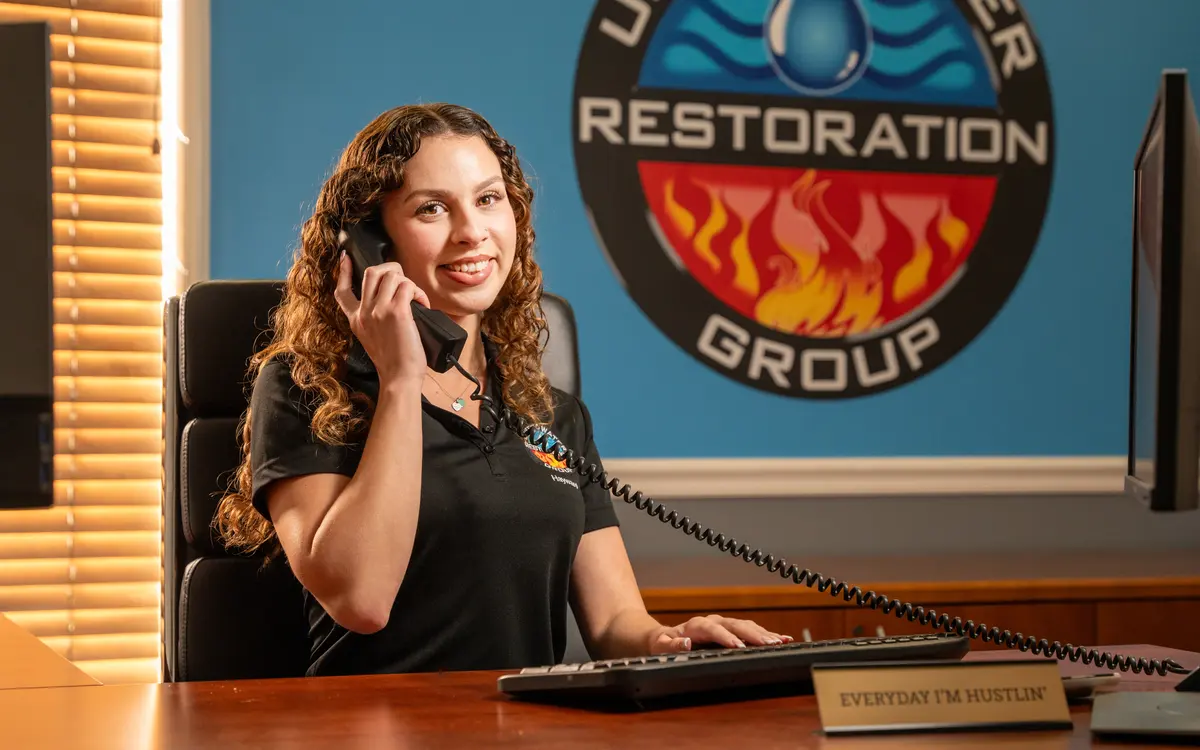
  1. A dispatcher at her desk answering the phone

    Step 01

    Inspection and Assessment

    Our process begins with a thorough inspection to identify mold presence and its spread. We assess moisture sources using moisture meters to strategize effective remediation.

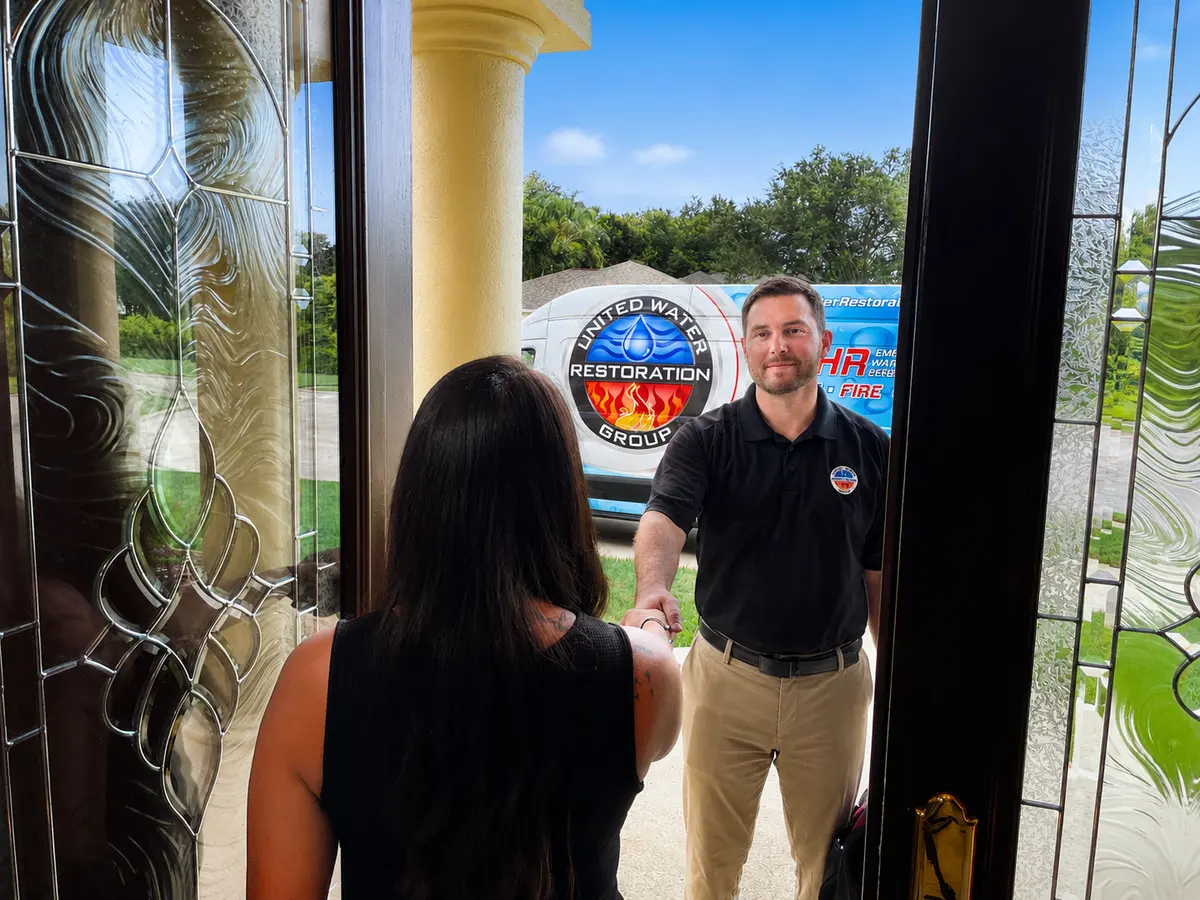
  2. A technician arriving at a homeowner’s front door to look at the damage

    Step 02

    Containment

    We seal off mold-affected areas using 6-mil plastic sheeting and maintain negative air pressure, preventing the spread of mold spores during remediation.

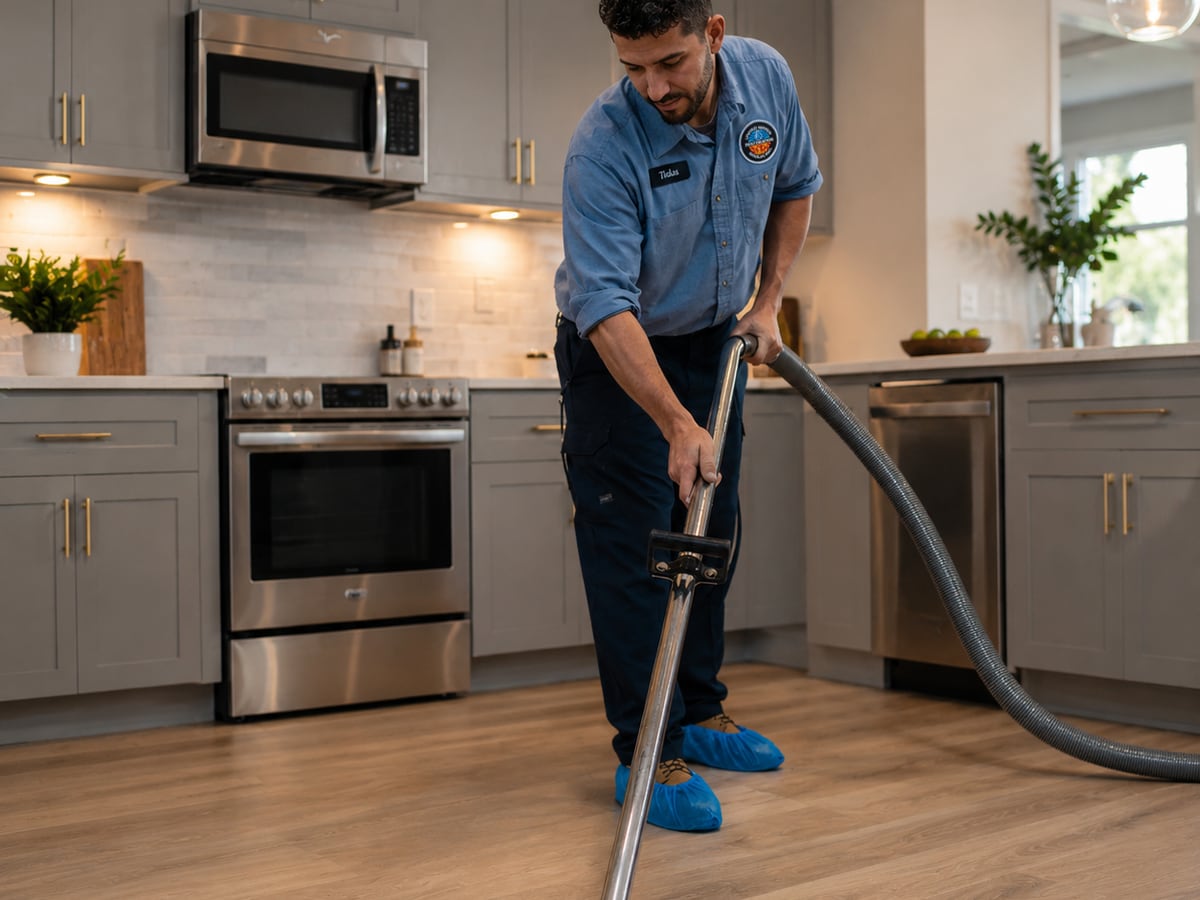
  3. A technician drawing water out of a kitchen floor with an extraction wand

    Step 03

    Air Filtration

    HEPA-filtered air scrubbers are employed to capture airborne spores. This step ensures indoor air quality is improved and mold spores are reduced significantly.

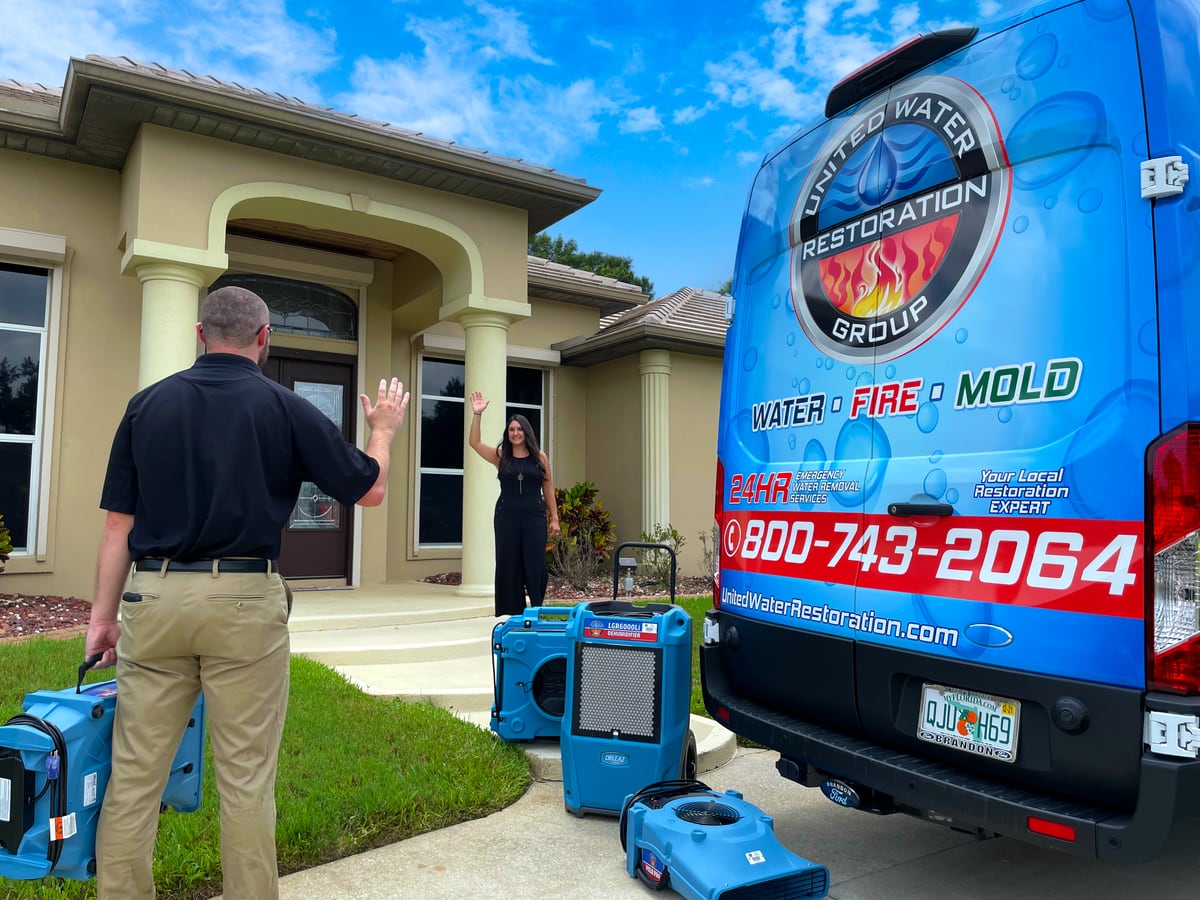
  4. A technician carrying equipment back to the van, waving to the homeowner at her door

    Step 04

    Mold Removal

    Our team employs controlled demolition to remove mold-infested materials, using HEPA vacuums for cleanup. Antimicrobial treatments prevent mold from returning.

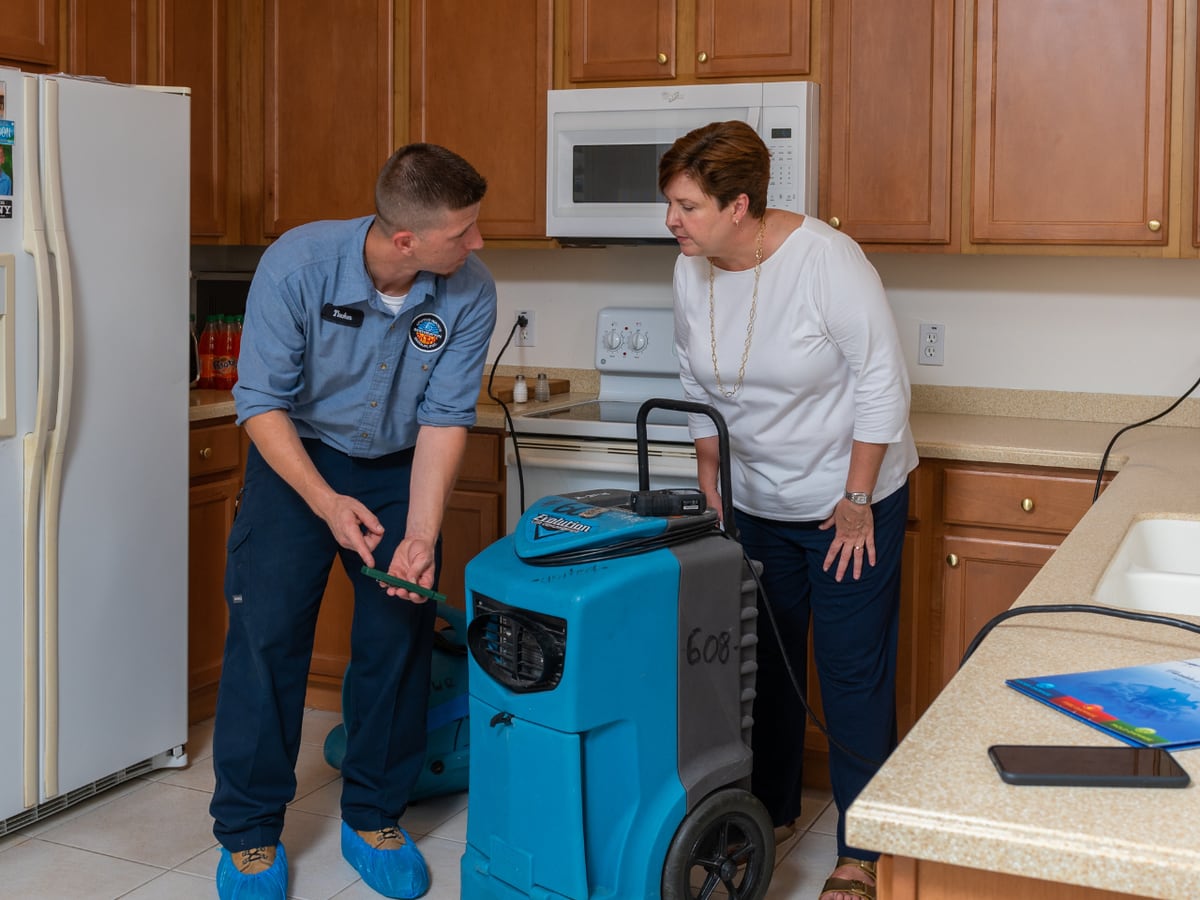
  5. Two technicians setting up drying equipment in a kitchen

    Step 05

    Post-Remediation Verification

    After cleaning, we conduct air sampling and third-party clearance testing to confirm the area is mold-free and compliant with IICRC S520 standards.

We Work With Your Insurance

Restoration is stressful enough without fighting through a claim alone. Our crews document everything — photos, moisture readings, and a clear scope of work — in the format adjusters expect, and we communicate with your insurance company throughout the job. You always know what is happening and what your policy covers before work begins.

AllstateState FarmLiberty MutualProgressiveNationwideFarmers InsuranceAmerican Family InsuranceChubbUniversal Property & CasualtyHeritage Insurance
Technician walking a homeowner through the insurance scope on a tablet

What This Service Covers

Crawl space remediationBasement mold removalAttic mold cleanupBathroom mold remediationMold inspection and testingMoisture source repairAntimicrobial applicationEncapsulation servicesClearance testingAir quality improvement

Protecting your Iowa City home from mold involves quick action and professional intervention. United Water Restoration Group of Iowa City is ready to deploy teams trained in mold remediation to effectively manage and resolve your mold concerns. From thorough inspections to meticulous removal procedures, our services are tailored to address the unique challenges faced by homeowners in this region. Don't wait for mold to affect your indoor air quality and health—call us at (319) 304-3500 today to restore your home to a mold-free state.

Frequently Asked Questions

Is black mold harmful to my family?

Yes, black mold can pose health risks to your family, including respiratory issues and allergic reactions. It's particularly concerning for children, the elderly, and those with pre-existing health conditions. If you suspect mold growth in your home in Iowa City, it's best to seek professional help to assess and remediate the situation.

Can I use bleach to clean up mold myself?

While bleach can kill surface mold, it doesn't penetrate porous materials, so it may not fully resolve the problem. Mold can return if the underlying moisture issue isn't addressed. For effective mold remediation, especially in areas like Iowa City where humidity is high, it's advisable to contact experts who can handle it safely.

What causes mold to come back after cleaning?

Mold often returns due to continued moisture issues, inadequate ventilation, or incomplete remediation. In Iowa City, it's common for homes with basements or crawl spaces to experience humidity problems. To prevent mold recurrence, addressing the source of moisture is crucial. Professionals can help identify these issues during the remediation process.

Does homeowners insurance cover mold remediation?

Homeowners insurance coverage for mold remediation can vary. Typically, if mold results from a covered peril, such as water damage from a burst pipe, it may be covered. However, if mold is due to long-term moisture issues, it may not be. It's best to review your policy or speak with your insurance agent in Iowa City to understand your specific coverage.

How can I tell if mold is hidden behind my walls?

Signs of hidden mold behind walls include persistent musty odors, discoloration, or structural damage. You may also notice increased allergy symptoms in your household. If you suspect mold in your Iowa City home, it's advisable to have a professional inspection to determine the extent of the issue and ensure proper remediation.

Do I need to test for mold before remediation in Iowa City?

Mold testing before remediation isn't always necessary, especially if visible mold is present. However, testing can help identify the type of mold and the extent of the problem in some cases. If you are unsure, consulting with a mold remediation specialist in Iowa City can provide guidance on whether testing is recommended.

Request Service Online

Tell us what happened and we will call you right back. For emergencies, calling (319) 304-3500 is always fastest — we answer 24/7.

A United Water Restoration Group of Iowa City van heading out on an emergency call at sunset

In Case of Property Damage, Call:

319-304-3500

We answer around the clock and dispatch from right here in Fairfield.

IICRC Certified · Water · Fire · Mold · 24/7 Emergency Response