Commercial properties face unique challenges when damage occurs. Water intrusion, fire events, storm impact, mold growth, or hazardous conditions can disrupt daily operations and create safety concerns for occupants and customers. Unlike residential properties, commercial spaces often involve larger footprints, specialized equipment, and compliance considerations that require careful planning during restoration. When damage is not addressed promptly, consequences can extend beyond physical repairs. Downtime may result in lost revenue, displaced operations, and scheduling complications. Moisture can affect inventory, electrical systems, and structural materials. Smoke residue or odors can compromise indoor conditions. Delays often increase restoration complexity and prolong business interruption. Our commercial restoration services are designed to address these challenges with a structured and organized approach. We focus on stabilizing affected areas, coordinating restoration activities, and supporting recovery in a way that aligns with business needs. By prioritizing clear communication and methodical execution, we help businesses move toward reopening and resuming operations with greater confidence.
- Damage assessment coordination: Identifies affected zones across the property
- Moisture and impact evaluation: Helps guide targeted restoration actions
- Stabilization planning: Limits additional damage during recovery
- Phased restoration support: Allows recovery to align with business operations
- Clear documentation: Supports organized decision making
Organized Commercial Restoration for Business Continuity
Commercial restoration requires coordination across multiple areas of a property. Damage may affect offices, production areas, storage spaces, or customer-facing environments simultaneously. A structured approach helps ensure all impacted zones are identified and addressed efficiently.
The process begins with a comprehensive assessment of the property. Affected areas are evaluated to determine the scope of damage and identify immediate concerns. Moisture detection tools and visual inspection help define where restoration efforts should be focused.
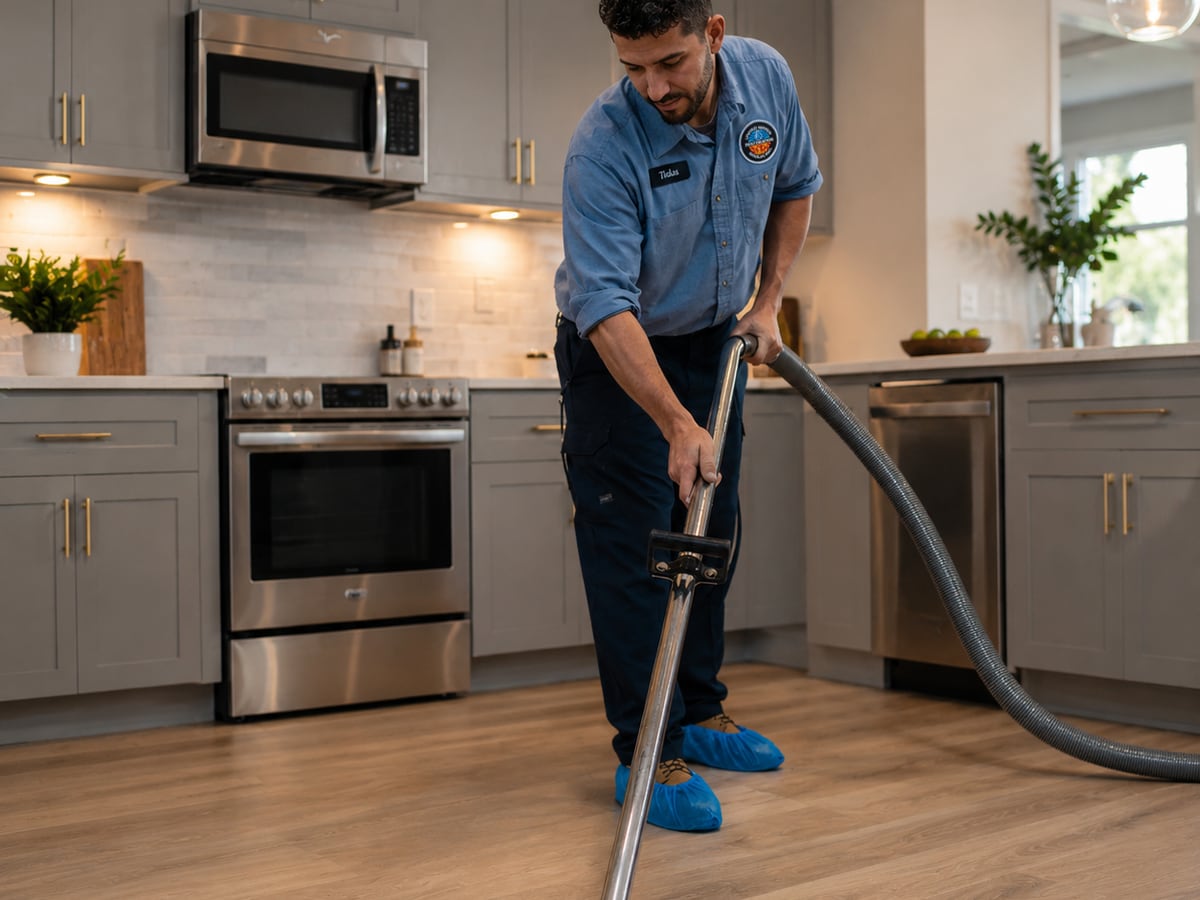
Once the assessment is complete, stabilization steps are implemented. This may include water removal, drying, or isolation of affected areas to limit further impact. Restoration activities are scheduled to reduce disruption where possible and maintain safe access.
Ongoing monitoring ensures progress remains on track. Adjustments are made as conditions change or new information becomes available. Documentation supports coordination and helps guide recovery planning.
This approach helps businesses regain stability while restoration progresses.
Types of Damage Addressed in Commercial Restoration
Commercial restoration services may be required for a range of damage scenarios. Water damage can result from plumbing failures, roof leaks, flooding, or sprinkler system activation. These events often affect flooring, walls, equipment, and inventory.
Fire events introduce smoke residue, odors, and water from suppression efforts. Even limited fire damage can disrupt large areas of a commercial space due to ventilation systems and shared structures. Storm damage may involve roof impact, exterior damage, and water intrusion.
Mold concerns may develop after unresolved moisture issues. In commercial environments, mold can affect air quality and occupant comfort. Biohazard situations or sewage exposure may also require controlled cleanup and sanitation.
Our commercial restoration services adapt to the specific type of damage and focus on addressing both immediate concerns and underlying conditions.
What to Expect During Commercial Restoration
After scheduling service, an initial assessment is performed to understand the extent of damage and operational considerations. Business priorities and access requirements are discussed so restoration planning can align with daily needs.
Restoration activities begin with stabilization and mitigation. Water removal, drying, cleaning, or isolation measures are implemented as required. Progress is monitored regularly to ensure restoration goals are being met.
Communication remains consistent throughout the process. Updates help business owners understand timelines and next steps. When mitigation is complete, the property is prepared for any necessary repairs or finishing work.
This step-by-step approach helps reduce uncertainty and supports coordinated recovery.
Why Timely Commercial Restoration Matters
Time is a critical factor for businesses facing property damage. Prolonged downtime can affect customers, staff, and operations. Moisture and residue left unaddressed can increase repair needs and delay reopening.
Prompt restoration helps limit these impacts and supports safer working conditions. Early assessment also helps ensure damage is properly documented, which may support insurance coordination when applicable.
Our commercial restoration services prioritize timely response and organized execution to help businesses recover more efficiently.
Supporting Long-Term Business Recovery
Restoration extends beyond immediate cleanup. Identifying vulnerabilities helps businesses prepare for future events. During the process, observations are shared to support informed decisions about maintenance and protection.
Whether addressing drainage concerns, moisture management, or building envelope conditions, awareness supports resilience. Commercial restoration is most effective when paired with prevention-focused planning.
Begin Commercial Restoration With a Clear Plan
Property damage can disrupt operations and create uncertainty for business owners. Having a structured plan and steady communication helps restore control during recovery.
Our commercial restoration services focus on assessment, stabilization, and coordinated recovery. Each step is managed with the intention of supporting business continuity.
For commercial properties in Iowa City, IA, this approach helps restore functionality and support ongoing operations after damage occurs.