Trauma & Biohazard Cleanup in Washington

Local crews · Open 24/7 · (319) 304-3500

Nestled in Iowa's charming landscapes, Washington presents a blend of collegiate life and suburban charm, largely influenced by the University of Iowa's presence. In neighborhoods like Coralville, newer suburban homes are replacing aging structures, creating a dynamic and evolving housing market. This area experiences harsh winters with frequent freezes, leading to potential risks of burst pipes and structural damage. When Washington residents call United Water Restoration Group of Iowa City at (319) 304-3500, trained professionals respond with compassionate and discreet trauma and biohazard cleanup services, ensuring safety and peace of mind during difficult times. Utilizing specialized techniques and full protective equipment, we guarantee a comprehensive and respectful cleanup process to restore your space safely and thoroughly.

In Washington, residents face unique challenges due to the region's climate and housing structure. With many homes featuring full basements, the risk of water damage from sump pump failures or flooding is significant. This area, alongside nearby cities like Coralville and Cedar Rapids, sees a prevalent need for swift and reliable restoration services. Homeowners often deal with mold issues due to the humid summers and damp conditions in crawl spaces. United Water Restoration Group is here to help restore your home efficiently and professionally.

Crews dispatch 24/7 from our Fairfield base at 1805 West Jefferson Avenue, Suite 3 and cover all of Washington — one local team, no subcontracted call centers. See all services in Washington or read more about trauma & biohazard cleanup.

Common Causes We See in Washington

  • Animal infestations causing unsanitary conditions
  • Unattended deaths where decomposition creates hazards
  • Crime scenes needing specialized cleanup
  • Hoarding situations requiring extensive sanitation
  • Traumatic accidents with potential bloodborne pathogens
  • Chemical spills in residential or commercial spaces
  • Suicide cleanup necessitating sensitivity and care
  • Overflowing septic systems creating biohazards

While You Wait for the Crew

A few minutes of the right first moves can save thousands in damage. Here is what to do — and what not to do — before we reach Washington.

Do

  • Evacuate all individuals from the affected area
  • Secure the space to prevent unauthorized access
  • Contact a professional biohazard cleanup service
  • Document the scene for insurance purposes if safe

Don’t

  • Do not attempt to clean or remove biohazards yourself
  • Avoid disturbing potential evidence at any crime scene
  • Do not enter the area without appropriate protective gear

Crews are standing by near Washington right now.

Call (319) 304-3500
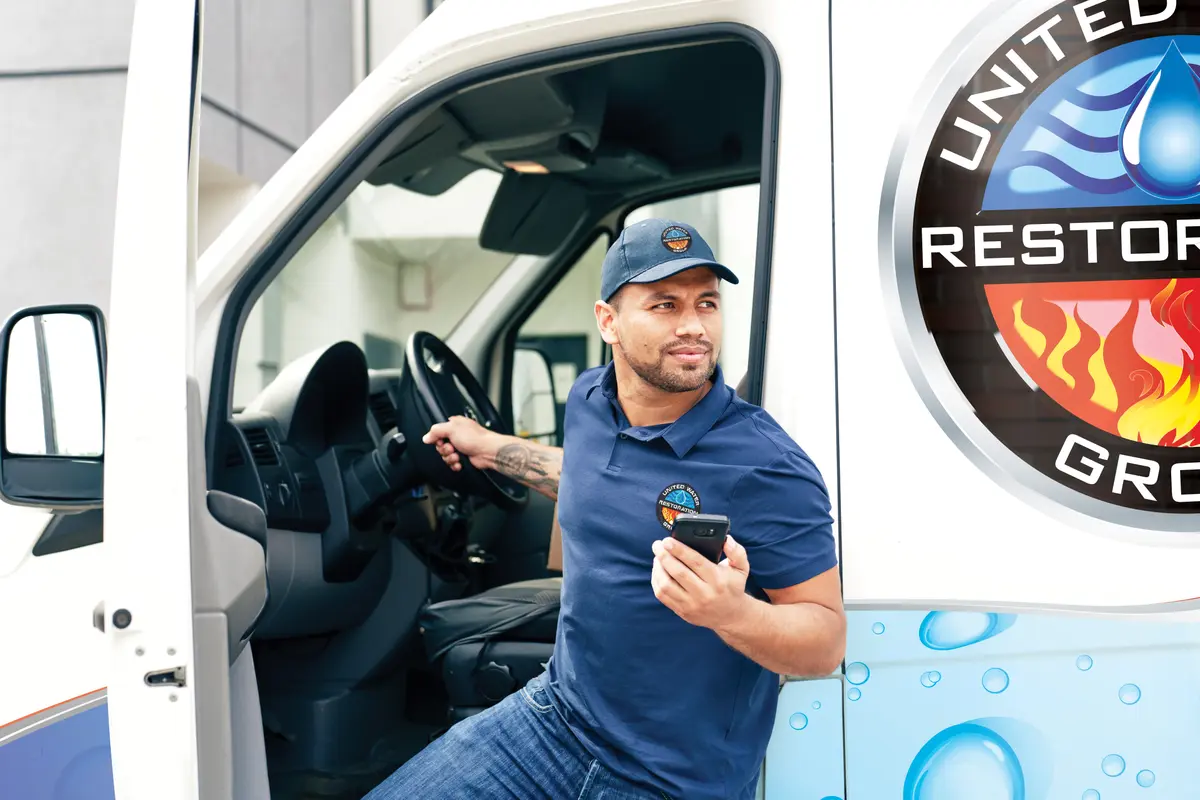
Restoration technician preparing equipment at the van

Our Process

  1. 1

    Assessment and Planning

    Our team begins with a comprehensive assessment to identify affected areas and materials. We develop a strategic plan tailored to safely remove biohazards while preventing future risks.

  2. 2

    Containment for Safety

    Establishing containment zones is crucial to preventing cross-contamination. Our technicians use advanced sealing practices to ensure that biohazards do not spread beyond the initially impacted area.

  3. 3

    Safe Removal of Hazards

    Using specialized tools and PPE, our team carefully removes bloodborne pathogens, contaminated items, and any saturated structural materials, adhering to all health and safety regulations.

  4. 4

    Disinfection and Decontamination

    We use EPA-registered hospital-grade disinfectants to thoroughly clean and sanitize all surfaces, coupled with ATP surface testing to ensure that decontamination is complete and effective.

  5. 5

    Final Inspection and Clearance

    A final inspection by our certified biohazard technicians confirms that the area is safe for reoccupancy. We provide documentation for personal records and insurance purposes.

We Work With Your Insurance

Our crews document everything — photos, moisture readings, and a clear scope of work — in the format adjusters expect, and we communicate with your insurance company throughout the job. Washington homeowners always know what is happening and what their policy covers before work begins.

AllstateState FarmLiberty MutualProgressiveNationwideFarmers InsuranceAmerican Family InsuranceChubbUniversal Property & CasualtyHeritage Insurance
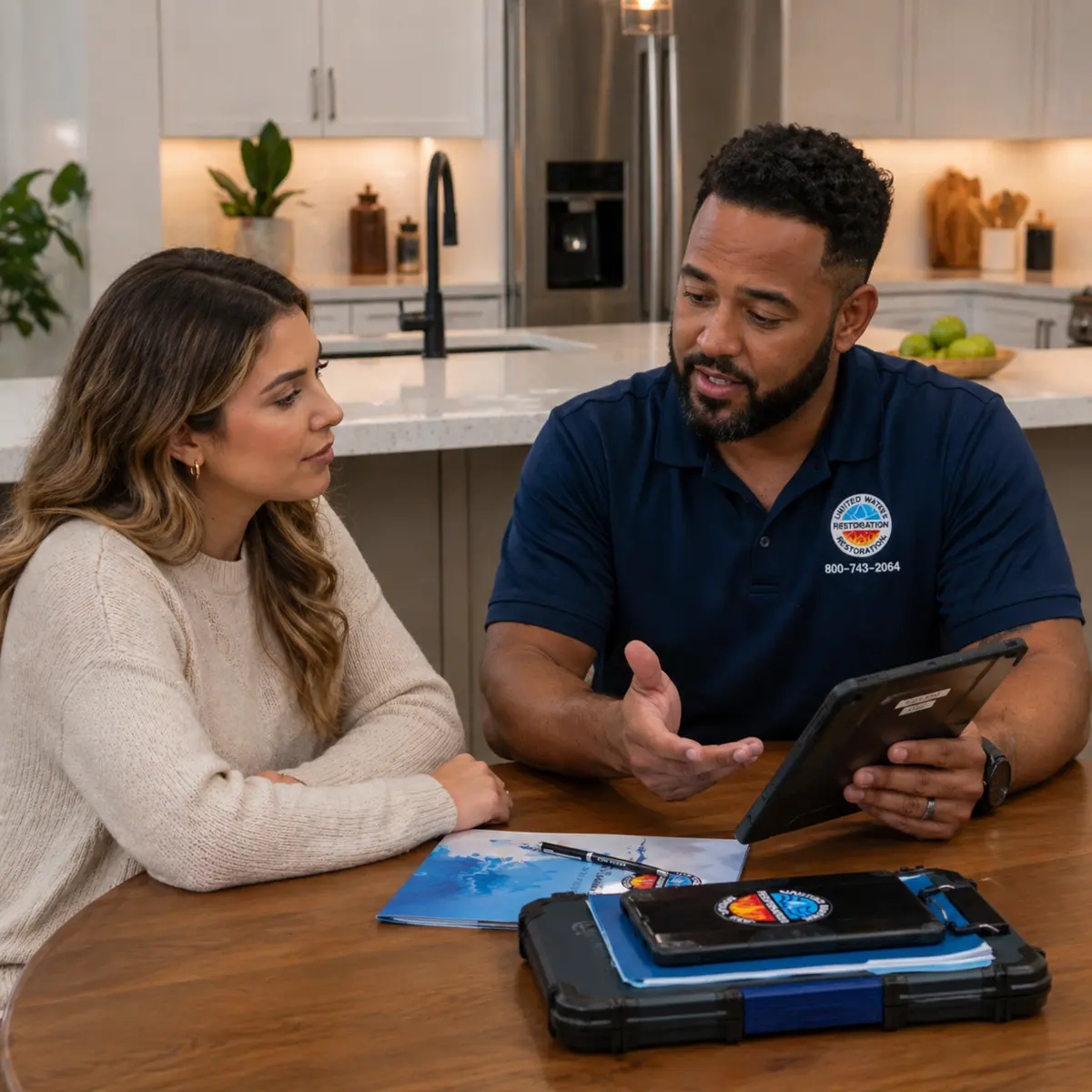
Technician walking a homeowner through the insurance scope on a tablet

Frequently Asked Questions

Do you serve my city, town or ZIP code?

Washington is inside the territory this office covers, along with Burlington, Cedar Rapids, Coralville, Fairfield, Kalona and Keokuk. Coverage follows your address rather than how far out a town sounds, so if you are near the edge of that list, give the cross streets or your ZIP code on the call and you will get a straight yes or no before anyone is scheduled.

The town I am in is not the one in your name — do you still come out here?

The city in the office name is where it is based, not the limit of where it works: Burlington, Cedar Rapids, Coralville, Fairfield, Kalona and Keokuk are covered the same way Washington is. Franchise territories are drawn by area rather than by the single town on the sign, which is why the name on the door and the town on your mail often differ. Confirm your address on the call rather than ruling yourself out.

How quickly can a crew reach my address?

That depends on where in Washington you are, the roads, and what the crews already have running, so any single figure published here would be guesswork. The phone is answered around the clock, and you get an honest arrival window for your own address on that call. If water is still coming in, say so first — the steps to take while you wait matter more than the drive time.

Do you work on rentals, condos, businesses and manufactured homes here?

Rentals, condos, storefronts, restaurants and manufactured homes are all routine work, and the building type changes the access and the drying plan more than it changes the method. ANSI/IICRC S500 sorts a loss into Class 1 through 4 by how much water the structure absorbed and how hard it is to dry, which reads the same in a crawl space as in an office. Who pays — owner, tenant or association — is set by your lease, declaration and master policy, so read yours.

Request Service Online

Tell us what happened and we will call you right back. For emergencies, calling (319) 304-3500 is always fastest — we answer 24/7.

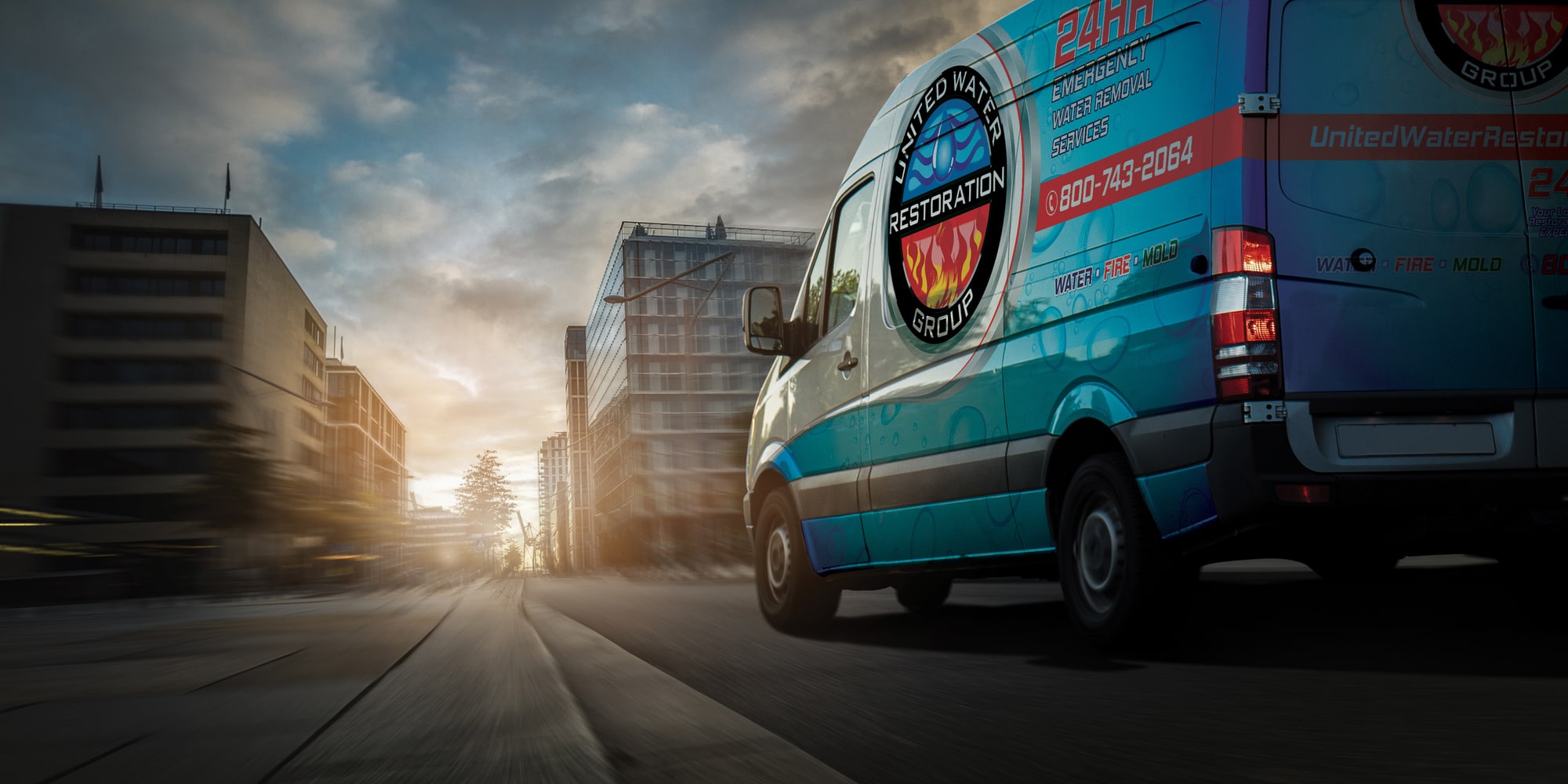
A United Water Restoration Group of Iowa City van heading out on an emergency call at sunset

In Case of Property Damage, Call:

319-304-3500

We answer around the clock and dispatch from right here in Fairfield.

IICRC Certified · Water · Fire · Mold · 24/7 Emergency Response