Smoke Damage Cleanup in Mount Pleasant

Local crews · Open 24/7 · (319) 304-3500

In Muscatine, situated along the banks of the majestic Mississippi River, the humidity combined with the age of many homes can lead to exacerbated smoke and fire damage. It’s a common occurrence in these older properties when the unexpected strikes, resulting in smoke damage that can affect both aesthetic and structural integrity. When residents of Mount Pleasant, or any of the surrounding communities, experience such distress, calling United Water Restoration Group of Iowa City at (319) 304-3500 brings immediate relief. Our professional team is ready to respond with expertise, offering thorough smoke damage cleanup that prioritizes your home's safety and health, ensuring any smoke odors or residues are meticulously managed and removed. We stand by, ready to guide you through each step of restoration, from beginning assessments to the final touches of cleanup.

Mount Pleasant homeowners face unique challenges due to Iowa's dynamic climate, particularly water damage from seasonal floods and burst pipes in winter. With a mix of older homes and newer constructions, the need for reliable damage restoration services is essential. Residents often seek out help for mold removal and water damage repair, much like their neighbors in Fairfield and beyond. United Water Restoration Group of Iowa City is dedicated to providing quick and professional services to suit these needs.

Crews dispatch 24/7 from our Fairfield base at 1805 West Jefferson Avenue, Suite 3 and cover all of Mount Pleasant — one local team, no subcontracted call centers. See all services in Mount Pleasant or read more about smoke damage cleanup.

Common Causes We See in Mount Pleasant

  • Kitchen fires where cooking oils ignite.
  • Malfunctioning electrical systems in older homes.
  • Chimney fires from poorly maintained flues.
  • Candle fires during power outages.
  • Cigarette mishaps leading to upholstery fires.
  • External fire sources such as wildfires.
  • Firework-related incidents around celebrations.
  • Heat lamp malfunctions in cold winters.

While You Wait for the Crew

A few minutes of the right first moves can save thousands in damage. Here is what to do — and what not to do — before we reach Mount Pleasant.

Do

  • Contact your insurance provider immediately.
  • Open windows to ventilate if safe.
  • Avoid using affected electronics.
  • Document damage with photos for insurance.

Don’t

  • Do not attempt to wash walls yourself.
  • Avoid touching items with bare hands.
  • Do not use upholstered furniture until cleaned.
  • Refrain from eating exposed food.

Crews are standing by near Mount Pleasant right now.

Call (319) 304-3500
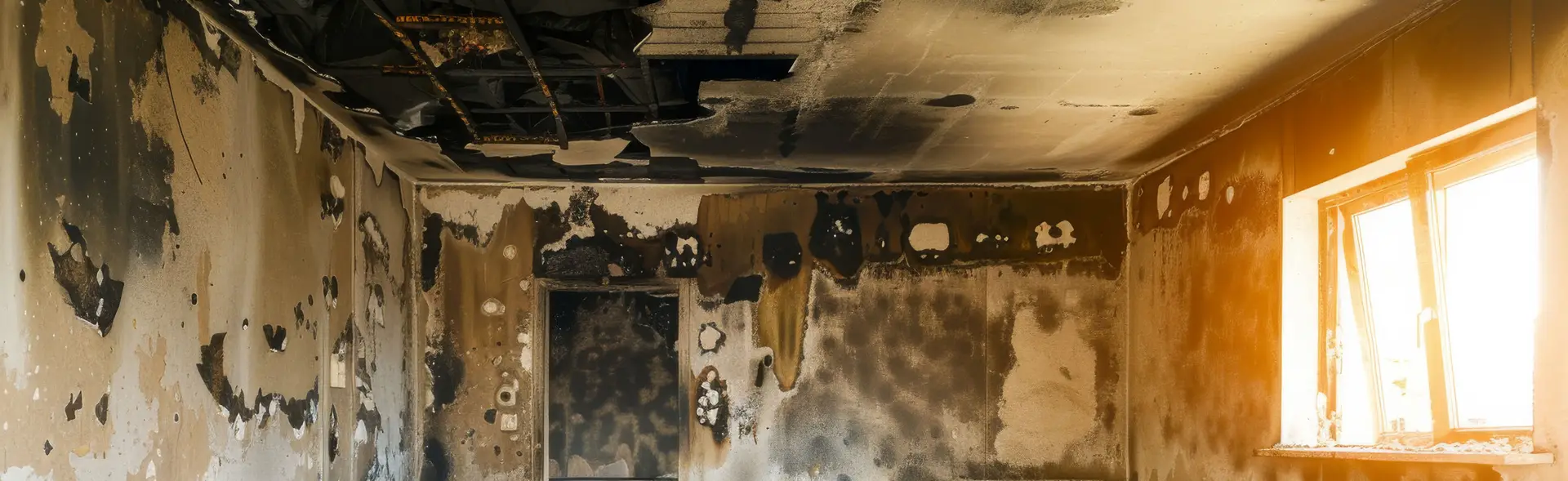
Fire and smoke damage inside a home before restoration

Our Process

  1. 1

    Initial Assessment and Evaluation

    Our team conducts a thorough inspection to determine the type and severity of smoke damage, including identifying areas affected by soot and smoke webs.

  2. 2

    Emergency Mitigation Measures

    Immediate actions include securing the property with board-up services and roof tarping to prevent further damage from external elements.

  3. 3

    Soot and Residue Cleaning

    Specialized tools such as air scrubbers and chem sponges are used to remove soot, with attention to acidic soot etching that can damage surfaces.

  4. 4

    Odor Neutralization

    Utilizing hydroxyl generators and thermal fogging to neutralize stubborn smoke odors, ensuring a fresh and clean environment.

  5. 5

    Restoration and Final Touches

    Post-cleanup, the application of stain-blocking sealers and detailed cleaning of the HVAC system ensure safety and aesthetics are restored.

We Work With Your Insurance

Our crews document everything — photos, moisture readings, and a clear scope of work — in the format adjusters expect, and we communicate with your insurance company throughout the job. Mount Pleasant homeowners always know what is happening and what their policy covers before work begins.

AllstateState FarmLiberty MutualProgressiveNationwideFarmers InsuranceAmerican Family InsuranceChubbUniversal Property & CasualtyHeritage Insurance
Technician walking a homeowner through the insurance scope on a tablet

Frequently Asked Questions

Do you serve my city, town or ZIP code?

Mount Pleasant is inside the territory this office covers, along with Burlington, Cedar Rapids, Coralville, Fairfield, Kalona and Keokuk. Coverage follows your address rather than how far out a town sounds, so if you are near the edge of that list, give the cross streets or your ZIP code on the call and you will get a straight yes or no before anyone is scheduled.

The town I am in is not the one in your name — do you still come out here?

The city in the office name is where it is based, not the limit of where it works: Burlington, Cedar Rapids, Coralville, Fairfield, Kalona and Keokuk are covered the same way Mount Pleasant is. Franchise territories are drawn by area rather than by the single town on the sign, which is why the name on the door and the town on your mail often differ. Confirm your address on the call rather than ruling yourself out.

How quickly can a crew reach my address?

That depends on where in Mount Pleasant you are, the roads, and what the crews already have running, so any single figure published here would be guesswork. The phone is answered around the clock, and you get an honest arrival window for your own address on that call. If water is still coming in, say so first — the steps to take while you wait matter more than the drive time.

Do you work on rentals, condos, businesses and manufactured homes here?

Rentals, condos, storefronts, restaurants and manufactured homes are all routine work, and the building type changes the access and the drying plan more than it changes the method. ANSI/IICRC S500 sorts a loss into Class 1 through 4 by how much water the structure absorbed and how hard it is to dry, which reads the same in a crawl space as in an office. Who pays — owner, tenant or association — is set by your lease, declaration and master policy, so read yours.

Do you handle fire and smoke damage restoration, or only water damage?

Both. Fire and smoke work is its own discipline with its own standard, ANSI/IICRC S700, covering soot removal, odor control and the cleaning of surfaces flame never touched. Smoke residue sorts into four types — dry, wet, protein and fuel oil — each cleaned differently, so the scope comes from an inspection of your specific loss rather than from a list set in advance. Water damage follows a separate standard, S500, and many fire losses involve both.

Can smoke smell from cigarettes or marijuana actually be removed, or only covered up?

Masking fails because smoke odor is residue sitting on surfaces, not air. Deodorization works in four stages: remove the source material, clean every surface holding residue, treat what remains, then seal what cannot be cleaned. ANSI/IICRC S700 puts source removal before any sealing, and that holds for tobacco or cannabis alike. The EPA and CDC describe residual tobacco smoke settling into walls, carpet and dust long after the smell fades. Heavy saturation often means replacing some materials, and every house differs.

Can you keep the smell from spreading to the rest of my house while you work?

Containment comes first, before any cleaning. The work area is sealed with sheeting and held under negative pressure so air moves into the zone rather than out into the rest of the home, then exhausted through HEPA filtration, which captures 99.97 percent of particles at 0.3 microns, the hardest size to catch. IICRC S520 describes the same containment principle for mold work. How much enclosing a home needs, and how completely it holds, depends on how far residue already traveled.

How do I tell whether a smell is on the surface or coming from inside the wall?

Press a damp white cloth on a hidden patch. If residue transfers and that spot goes quiet, it was surface odor. If it returns a day or two after cleaning, or sharpens when the heating and cooling system runs, the source sits in a wall cavity, insulation or ductwork. ANSI/IICRC S700 treats odor as residue to be located, not covered, and protein residue leaves almost no visible mark while carrying strong odor, so a cloth coming back clean does not rule it out.

Request Service Online

Tell us what happened and we will call you right back. For emergencies, calling (319) 304-3500 is always fastest — we answer 24/7.

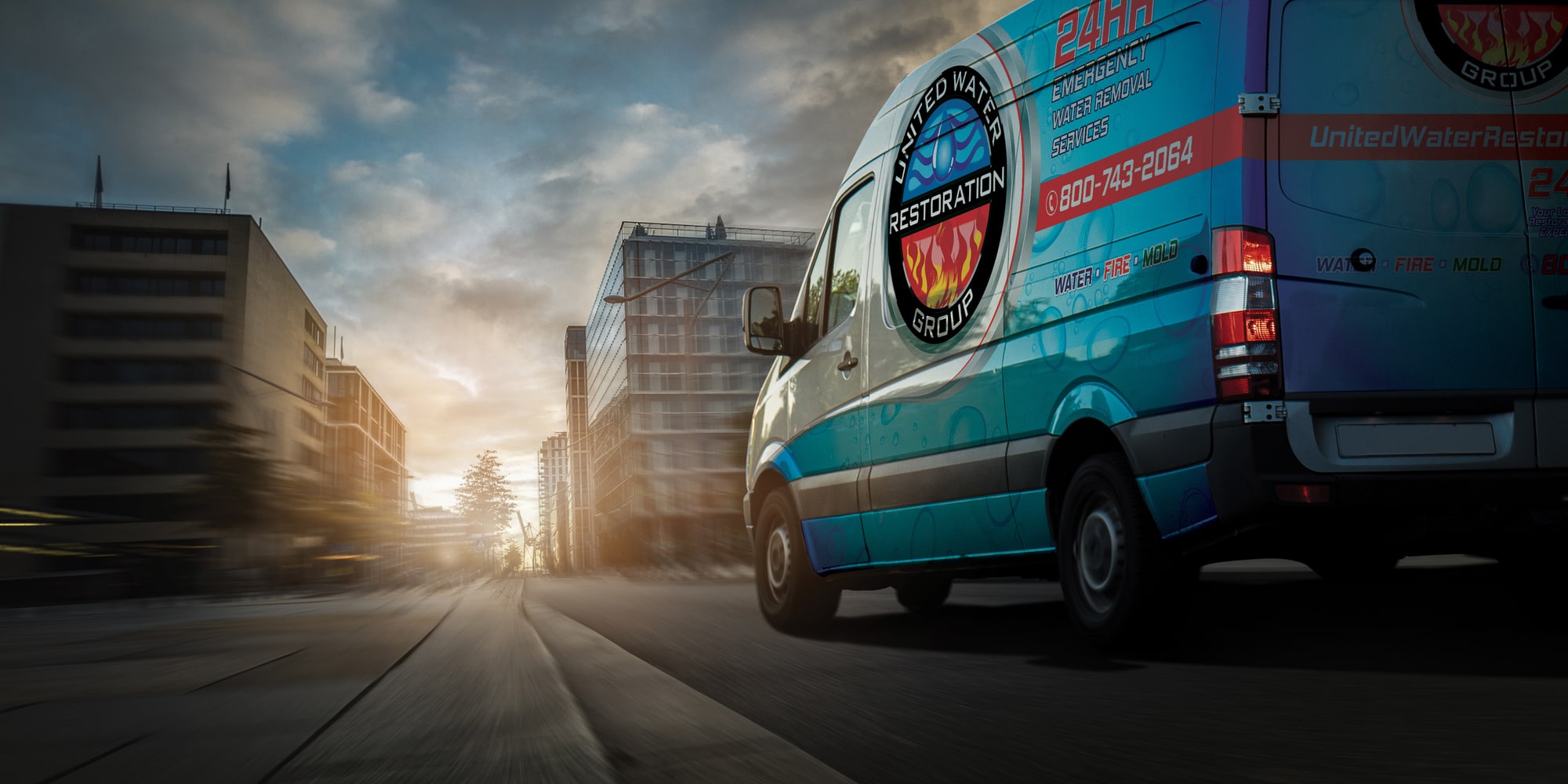
A United Water Restoration Group of Iowa City van heading out on an emergency call at sunset

In Case of Property Damage, Call:

319-304-3500

We answer around the clock and dispatch from right here in Fairfield.

IICRC Certified · Water · Fire · Mold · 24/7 Emergency Response