Fire & Smoke Damage Restoration in Burlington

Local crews · Open 24/7 · (319) 304-3500

In the charming neighborhoods of Burlington, home to the University of Iowa, the architecture showcases a vibrant mix of older rental houses and modern student apartments. Many of these buildings feature aging plumbing and shared heating systems, particular vulnerabilities in the event of a fire or smoke incident. If disaster strikes, whether due to an electrical fault or a kitchen mishap, contacting United Water Restoration Group of Iowa City at (319) 304-3500 sets the recovery process into motion. Our team arrives prepared to tackle all aspects of fire and smoke damage, ensuring your property is fully restored with utmost professionalism and urgency.

Burlington is a thriving community situated along the Mississippi River, characterized by its charming older homes and modern residences. Many properties feature full basements, making them susceptible to moisture issues. During the humid summers and harsh winters, residents face unique challenges, from stormwater flooding to mold growth. Our experienced team understands these local conditions and provides timely restoration services to homes across the region, including assistance for nearby communities like Keokuk and Fairfield.

Crews dispatch 24/7 from our Fairfield base at 1805 West Jefferson Avenue, Suite 3 and cover all of Burlington — one local team, no subcontracted call centers. See all services in Burlington or read more about fire & smoke damage restoration.

Common Causes We See in Burlington

  • Electrical faults causing appliance fires
  • Unattended cooking leading to kitchen fires
  • Overuse of fireplaces resulting in chimney fires
  • Faulty heating systems during cold winters
  • Cigarette smoking incidents inside homes
  • Lightning strikes during severe weather
  • Arson or intentional acts of fire
  • Improper storage of flammable liquids

While You Wait for the Crew

A few minutes of the right first moves can save thousands in damage. Here is what to do — and what not to do — before we reach Burlington.

Do

  • Ensure everyone is safe and accounted for after the fire.
  • Contact United Water Restoration Group of Iowa City at (319) 304-3500.
  • Open windows for ventilation if safe.
  • Document the damage with photos for insurance claims.

Don’t

  • Do not re-enter the property until it's deemed safe.
  • Avoid touching soot-covered surfaces to prevent further damage.
  • Do not use electrical appliances until checked by a professional.

Crews are standing by near Burlington right now.

Call (319) 304-3500
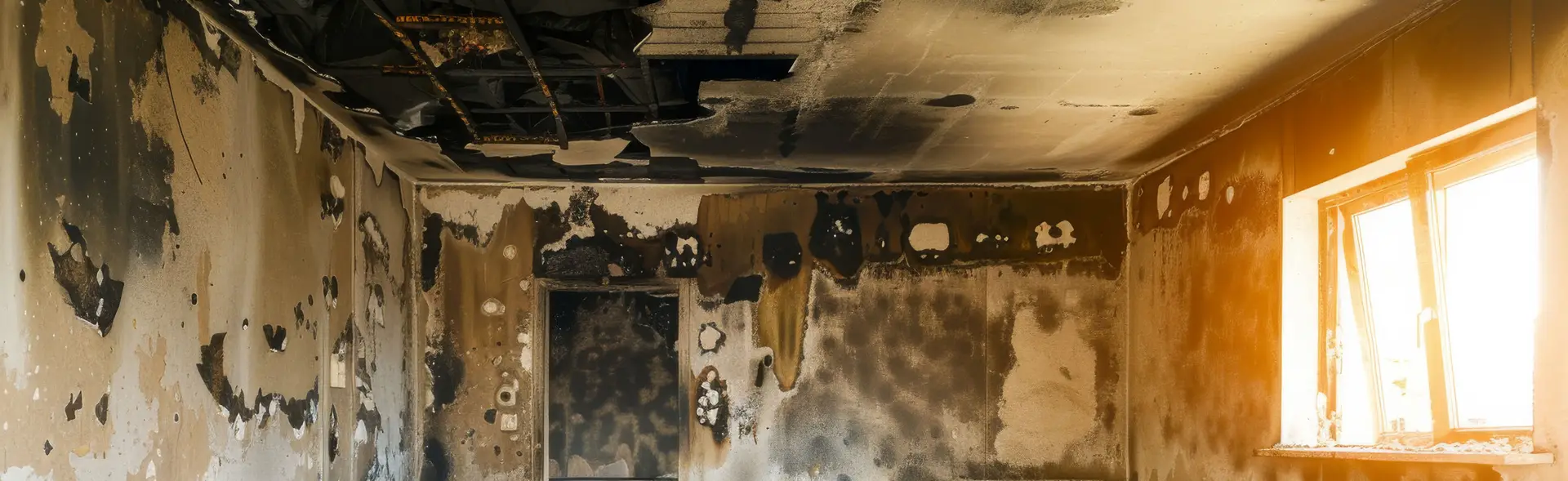
Fire and smoke damage inside a home before restoration

Our Process

  1. 1

    Emergency Contact

    Upon receiving your call, our team arrives promptly to assess the scene, ensuring that further damage is prevented with board-up and tarping services.

  2. 2

    Assessment and Documentation

    A thorough inspection is conducted to determine the extent of fire, smoke, and soot damage. We document the destruction for insurance purposes.

  3. 3

    Water Removal and Drying

    If firefighting efforts resulted in water damage, we swiftly extract water using industrial-grade pumps and employ dehumidifiers to prevent mold growth.

  4. 4

    Soot and Smoke Removal

    We utilize specialized equipment like air scrubbers and chem sponge cleaning to remove residues and neutralize odors, protecting surfaces and electronics.

  5. 5

    Restoration and Reconstruction

    Our team completes necessary repairs, including structural cleanup, content restoration, and final odor elimination using thermal fogging or ozone treatment.

We Work With Your Insurance

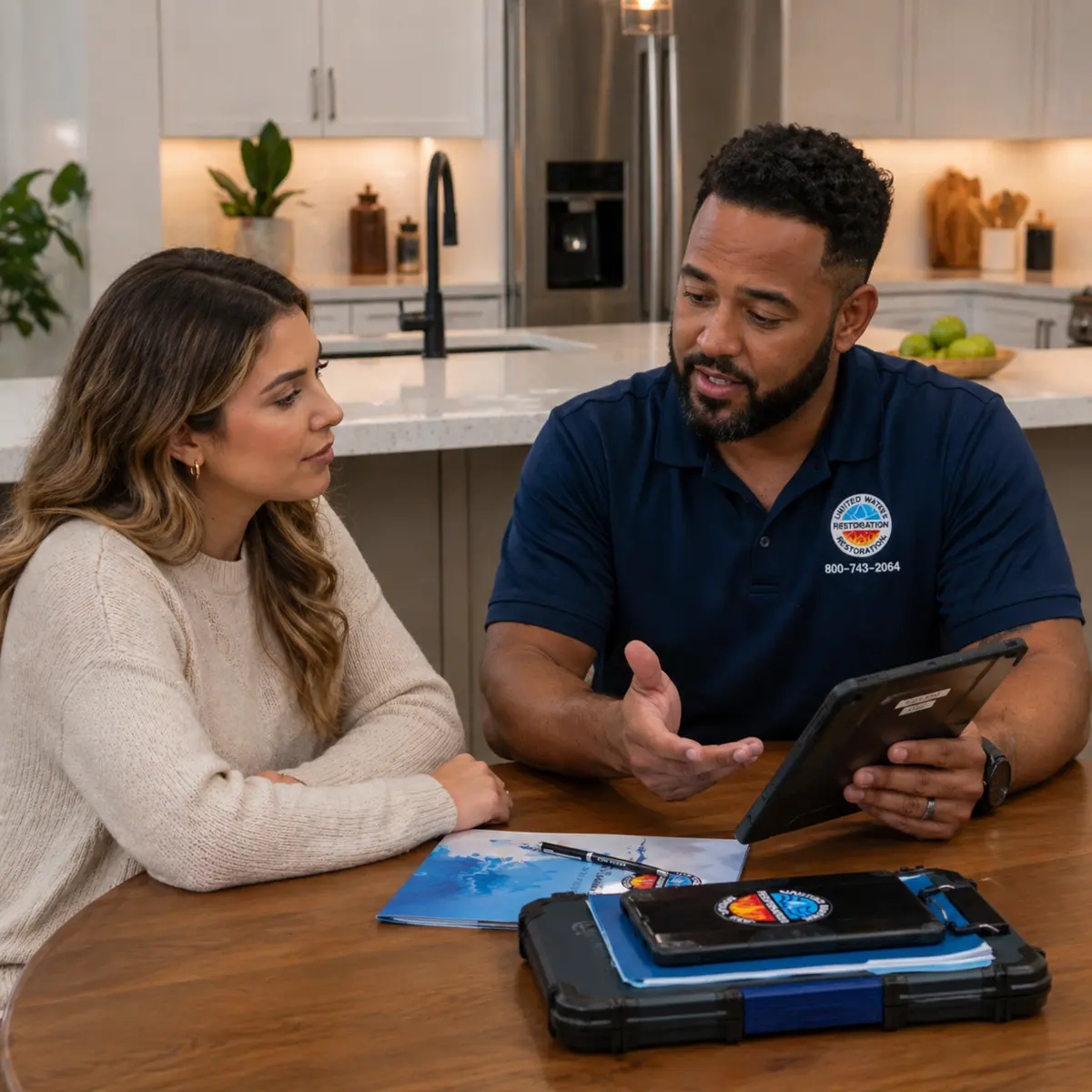
Our crews document everything — photos, moisture readings, and a clear scope of work — in the format adjusters expect, and we communicate with your insurance company throughout the job. Burlington homeowners always know what is happening and what their policy covers before work begins.

AllstateState FarmLiberty MutualProgressiveNationwideFarmers InsuranceAmerican Family InsuranceChubbUniversal Property & CasualtyHeritage Insurance
Technician walking a homeowner through the insurance scope on a tablet

Frequently Asked Questions

Do you serve my city, town or ZIP code?

Burlington is inside the territory this office covers, along with Cedar Rapids, Coralville, Fairfield, Kalona, Keokuk and Marion. Coverage follows your address rather than how far out a town sounds, so if you are near the edge of that list, give the cross streets or your ZIP code on the call and you will get a straight yes or no before anyone is scheduled.

The town I am in is not the one in your name — do you still come out here?

The city in the office name is where it is based, not the limit of where it works: Cedar Rapids, Coralville, Fairfield, Kalona, Keokuk and Marion are covered the same way Burlington is. Franchise territories are drawn by area rather than by the single town on the sign, which is why the name on the door and the town on your mail often differ. Confirm your address on the call rather than ruling yourself out.

How quickly can a crew reach my address?

That depends on where in Burlington you are, the roads, and what the crews already have running, so any single figure published here would be guesswork. The phone is answered around the clock, and you get an honest arrival window for your own address on that call. If water is still coming in, say so first — the steps to take while you wait matter more than the drive time.

Do you work on rentals, condos, businesses and manufactured homes here?

Rentals, condos, storefronts, restaurants and manufactured homes are all routine work, and the building type changes the access and the drying plan more than it changes the method. ANSI/IICRC S500 sorts a loss into Class 1 through 4 by how much water the structure absorbed and how hard it is to dry, which reads the same in a crawl space as in an office. Who pays — owner, tenant or association — is set by your lease, declaration and master policy, so read yours.

Do you handle fire and smoke damage restoration, or only water damage?

Both. Fire and smoke work is its own discipline with its own standard, ANSI/IICRC S700, covering soot removal, odor control and the cleaning of surfaces flame never touched. Smoke residue sorts into four types — dry, wet, protein and fuel oil — each cleaned differently, so the scope comes from an inspection of your specific loss rather than from a list set in advance. Water damage follows a separate standard, S500, and many fire losses involve both.

Can smoke smell from cigarettes or marijuana actually be removed, or only covered up?

Masking fails because smoke odor is residue sitting on surfaces, not air. Deodorization works in four stages: remove the source material, clean every surface holding residue, treat what remains, then seal what cannot be cleaned. ANSI/IICRC S700 puts source removal before any sealing, and that holds for tobacco or cannabis alike. The EPA and CDC describe residual tobacco smoke settling into walls, carpet and dust long after the smell fades. Heavy saturation often means replacing some materials, and every house differs.

Can you keep the smell from spreading to the rest of my house while you work?

Containment comes first, before any cleaning. The work area is sealed with sheeting and held under negative pressure so air moves into the zone rather than out into the rest of the home, then exhausted through HEPA filtration, which captures 99.97 percent of particles at 0.3 microns, the hardest size to catch. IICRC S520 describes the same containment principle for mold work. How much enclosing a home needs, and how completely it holds, depends on how far residue already traveled.

How do I tell whether a smell is on the surface or coming from inside the wall?

Press a damp white cloth on a hidden patch. If residue transfers and that spot goes quiet, it was surface odor. If it returns a day or two after cleaning, or sharpens when the heating and cooling system runs, the source sits in a wall cavity, insulation or ductwork. ANSI/IICRC S700 treats odor as residue to be located, not covered, and protein residue leaves almost no visible mark while carrying strong odor, so a cloth coming back clean does not rule it out.

Request Service Online

Tell us what happened and we will call you right back. For emergencies, calling (319) 304-3500 is always fastest — we answer 24/7.

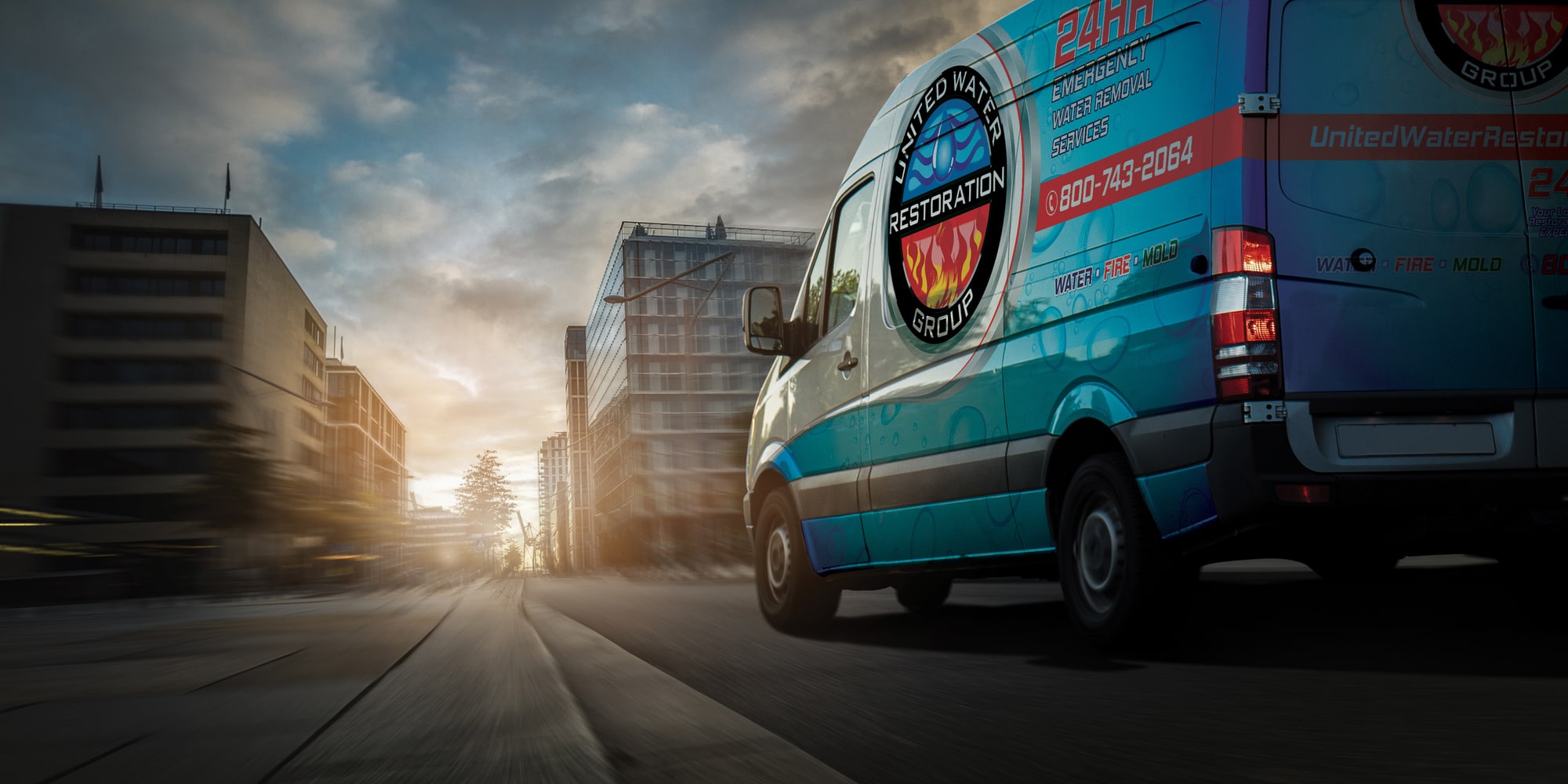
A United Water Restoration Group of Iowa City van heading out on an emergency call at sunset

In Case of Property Damage, Call:

319-304-3500

We answer around the clock and dispatch from right here in Fairfield.

IICRC Certified · Water · Fire · Mold · 24/7 Emergency Response